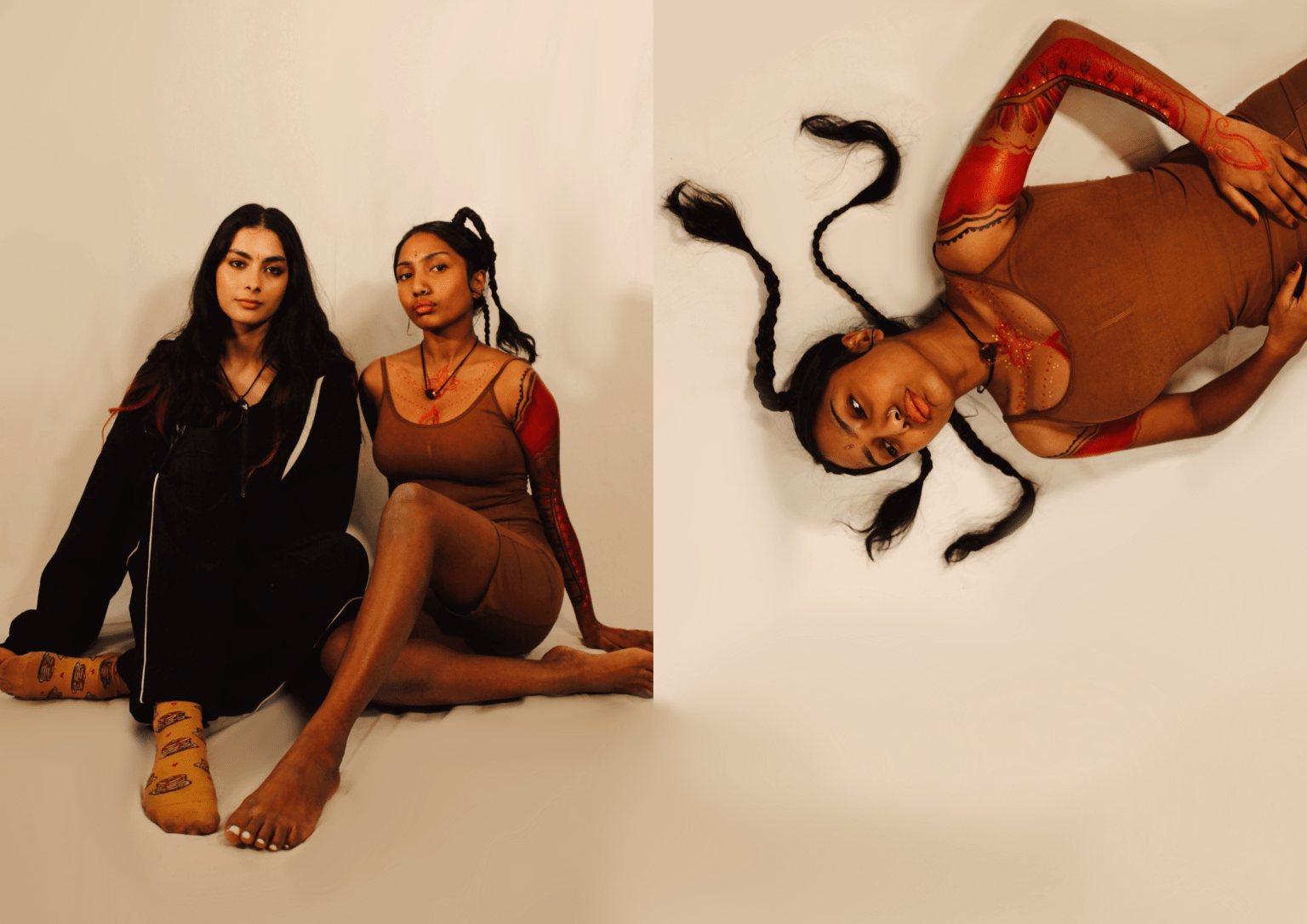
Daniyaal: What inspired you to start creating your digital visual archive of the British-Pakistani Youth?
Afzal: I created this archive to honour my Pakis from the ends, wherever they may find themselves. Whether they’re lost in the trap houses or they’ve found God in the Masjid. It was a labour of love for my people.
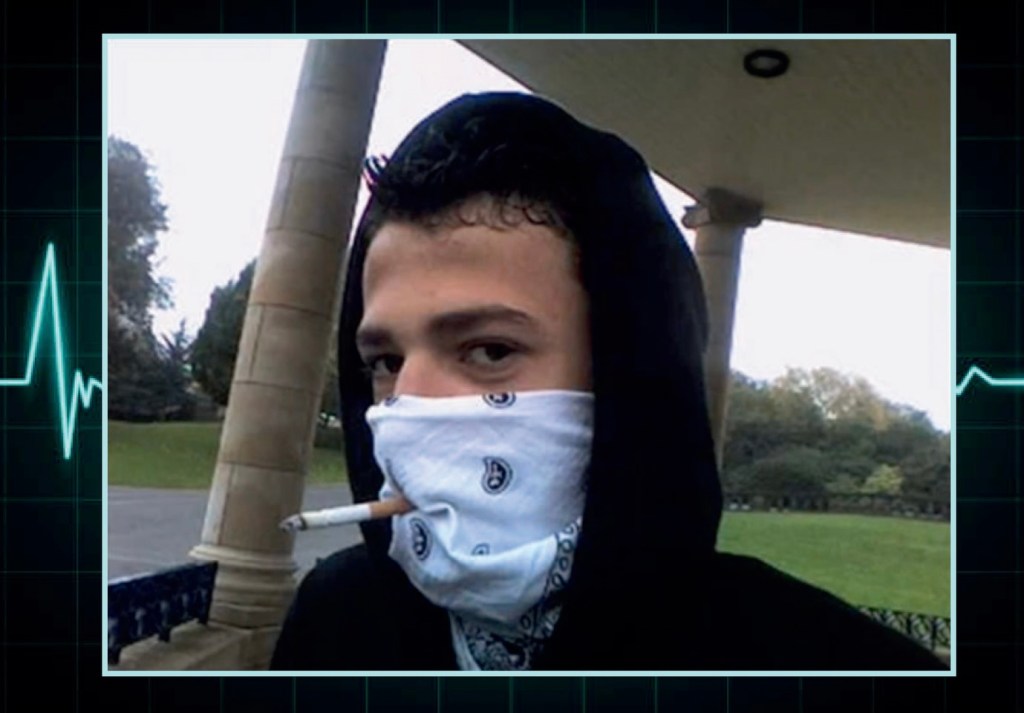
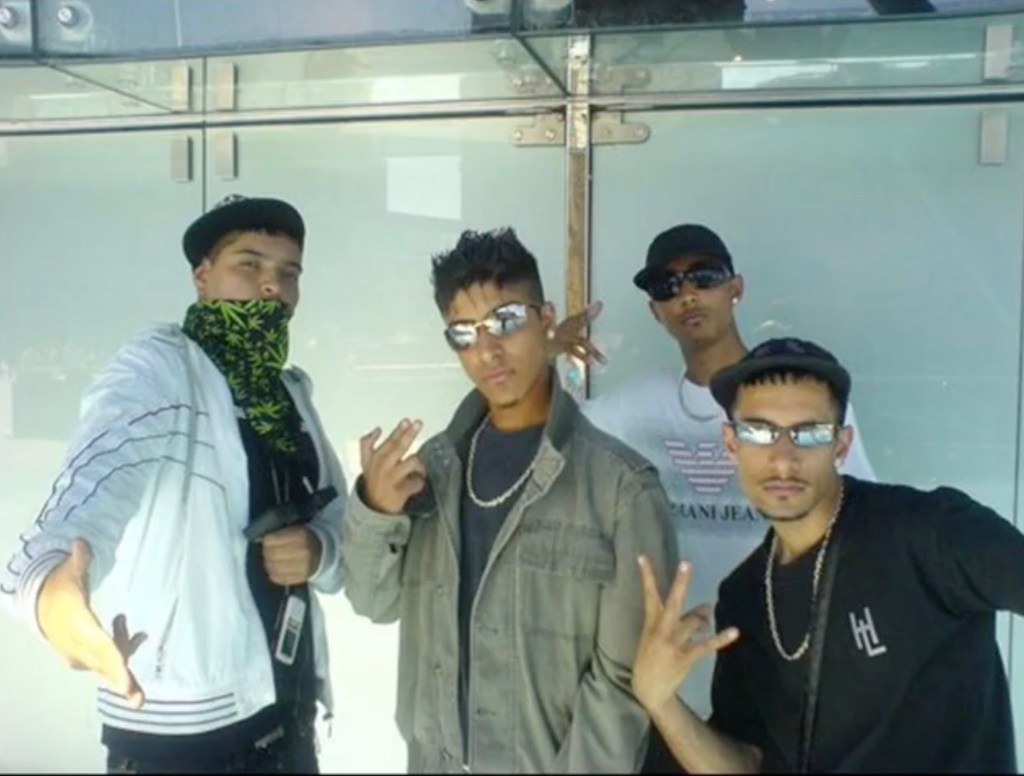
I was fascinated by the culture and that moment that marked the early days of the internet. The internet offered what seemed like infinite opportunities for self-expression, which is something that we are so used to now. Still, it was a novel idea that allowed us to be ourselves outside of whatever the media portrayed us as, like the lads you grew up with in a local park, standing around doing gang signs and arm in arm taking photos with a Samsung D500. It was arguably the golden era of the internet. No algorithms or care for how many likes it would get, just straight vibes. A kind of purity I long for.
Daniyaal: I feel like both of us grew up in that same messy early internet era, and navigating Pakistani life post 9/11 in Britain with Imran Khan, LimeWire, MSN, Bluetooth ringtones – What’s one thing you miss about life back then, and one thing you think today’s youth doesn’t have to go through that we did?
Afzal: I think my memories of that era are inevitably tinged by the nostalgia of youth, but life seemed somewhat golden, and the possibilities endless. Maybe I’m writing this with the sense of disillusionment of adulthood that I currently feel, but I felt like the world was my oyster.
“The internet was my first glimpse of a life outside of Bradford. I would spend hours on Google Street View, exploring neighbourhoods in random corners of the world, enamoured by the blurry 360-degree images of rural Massachusetts, a far cry from the suburban terraced houses of Bradford.”
Daniyaal: What songs do you think best represent that 2000s British-Pakistani vibe?
Afzal: Any song from Imran Khan’s 2008 album Unforgettable and 2pac’s Hit ‘Em Up
Daniyaal: Are there specific brands, haircuts, clothes, or poses that instantly make you think “Pakistani lad from the 2000s”?
Afzal: The spiky, barcode fringe, Rockport shoes, G-STAR Jeans, kitted out cars, a silver chain with a diamond-encrusted Allah pendant and everything else Slazenger.
Daniyaal: What’s your favourite personal 2000s memory, or something vivid from that time that has stuck with you?
Afzal: I remember driving around endlessly every Eid with no sense of purpose, heading to the sites of pilgrimage, Great Horton Road in Bradford or Wimmy Road in Manchester.
I feel like Dons are keeping that tradition alive, which I respect wholeheartedly. The baton has been passed on successfully, Alhamdulillah.
Daniyaal: How do you think growing up in Bradford shaped the kind of “British-Pakistaniness” you experienced?
Afzal: Bradford is an anomaly in the UK for various reasons. It’s called ‘Bradistan’ for a reason and I didn’t truly understand why until I left. It’s also kind of an enigma that I struggle to understand at times. To me, Bradford is the ultimate manifestation of South Asian culture in Europe. It is the Reform nightmare brought to life, which is why I love it. But weirdly I also kind of hate it as a city. I have a complicated relationship with it, but I will continue to rep Bradford till I die. It gave the world Zayn Malik for gods sake.
Bratfud Boys On Top.
Daniyaal: How do you feel about the word ‘Paki’ now? I remember people in the 2000s reclaiming it through their usernames or Myspace bios, but it feels less visible today. Do you think that changed, if so why?
Afzal: I’m personally a big fan of the word. I use it quite regularly, it’s a big part of my vocabulary. Its use has definitely died out with recent generations but to be a Paki feels like a distinctly British Pakistani experience existing within our identity as a result of the racism in the UK.
I’m trying to bring its use back with the Aapne archive and some of my other work I’ve created like the Pakiman Cards, a satirical trading card game that delves into British Pakistani culture and tropes.
Hit me up if you’d like to cop <3
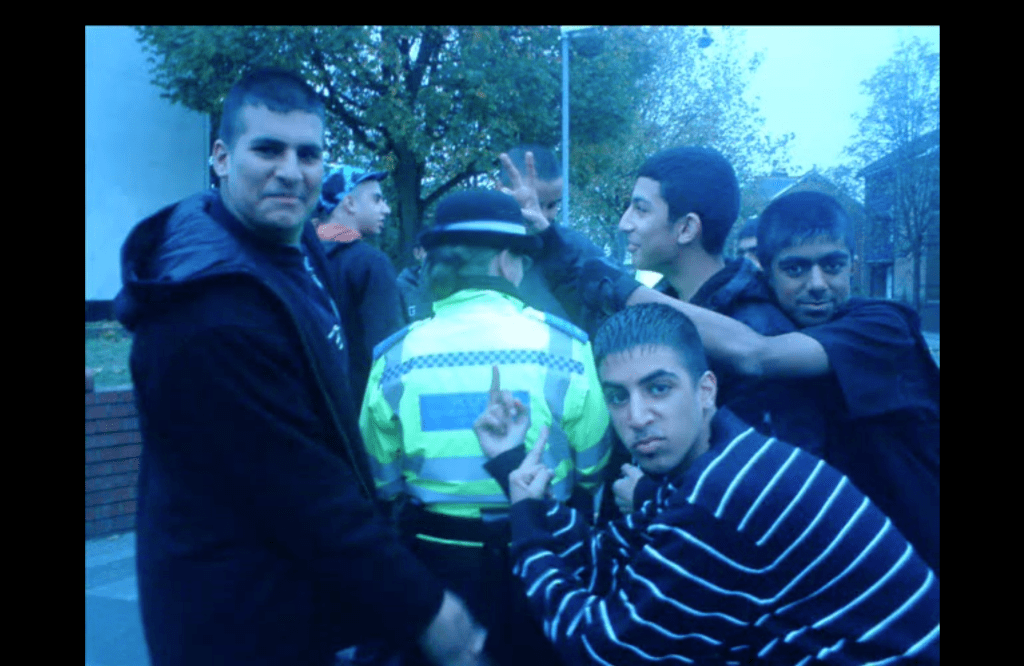
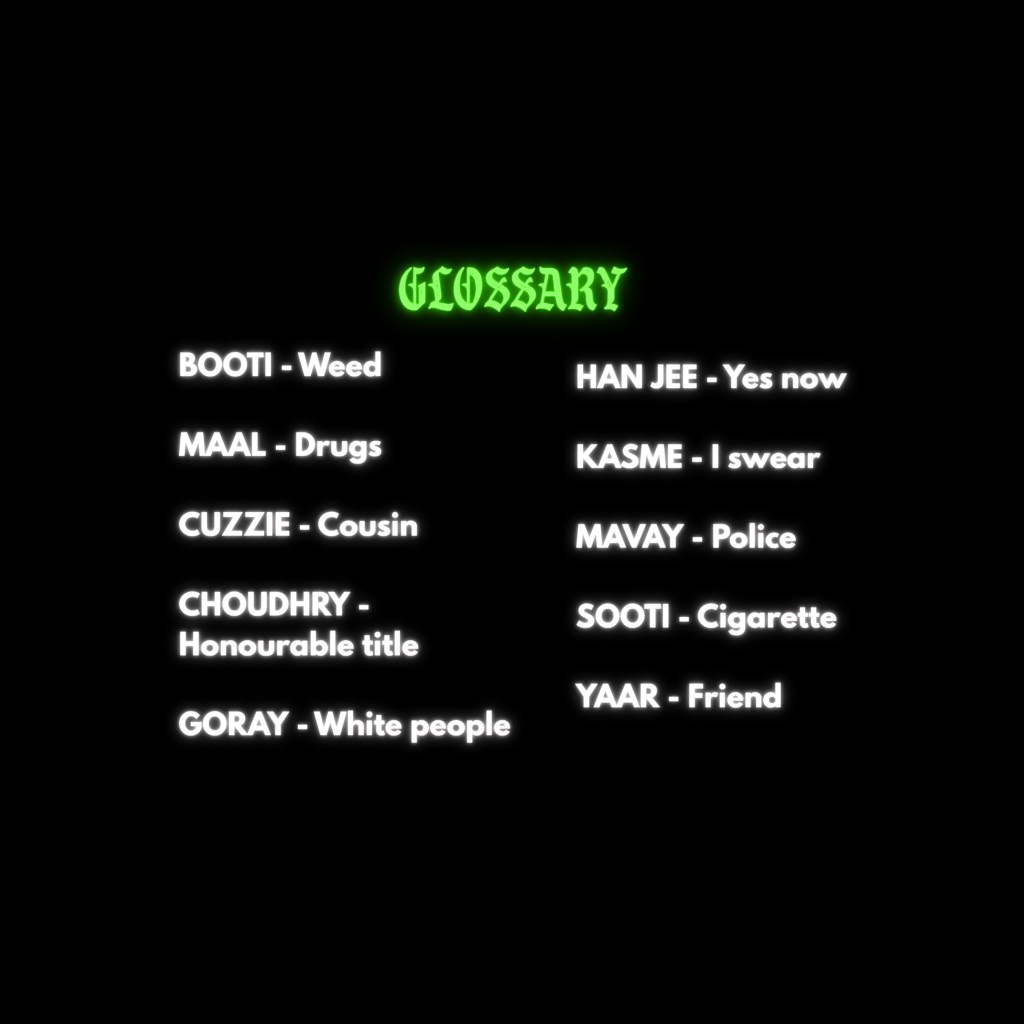
Daniyaal: Do you have a favourite photo or page within Aapne Zine? My personal favourite is the glossary of words.
Afzal: My personal favourite is the double page of young lads from Birmingham swearing at some police officers behind their backs. To me, that embodies the culture of mistrust around the police that I grew up with and the kind of camaraderie of youth in our desire to shout “F* the Police” at any given opportunity. Sticking middle fingers up at police cars as they patrolled the ends… our own form of resistance to tyranny.
Daniyaal: Was there anything you couldn’t find online that you wish you could? Something that’s just vanished?
Afzal: I wish I could access old Bebo accounts. Bebo was completely wiped off the internet when the social media site shut down. Bebo for me was the epitome of the aesthetic that I was aiming for in the curation of the archive; The assault on the eyes, maximalist neon aesthetic that embodied that era. I would love to somehow access the Bebo servers and see the madness that was being posted on there.
Daniyaal: Has working on it changed how you see your own youth years?
Afzal: It has given me a lot to reflect on. I went down rabbit holes that I forgot existed, creating this. It was a nostalgic experience that left me feeling old and filled me with a warmth I hadn’t felt in quite a while.
Daniyaal: Have any of the people in these old photos or online spaces reached out after seeing the zine? What was their response like?
Afzal: Nobody has reached out to me, but a lot of the images from the archive are of a rap group called Magikul Manz from B8 in Birmingham, who were very active on YouTube in the early 2000s. I would love to know where they are now and what they’re up to. So, if you’re reading this, please hit me up.
Daniyaal: Does that energy of the 2000s British-Pakistani’s still exist, or was it unique to that moment in time?
Afzal: I like to think there are some old heads out there in the alleyways of Manningham and Alum Rock still rocking the barcode fringes and listening to Imran Khan songs on a CD player. If so, please hit me up. I wanna hang with you boys.
Daniyaal: What do you hope people, especially younger readers, take from it?
Afzal: I hope to give them a glimpse into life in the early 2000s. Archiving is monumentally important, especially for minority communities.
“It is only us that can tell our stories authentically, and it’s something we should take seriously. “
Daniyaal: What’s next? Do you want to keep exploring this world or branch into something new?
Afzal: A lot of my work delves into Muslimness, spirituality and politics. I want to create things that I would like to see in magazine shops. As a fan of independent publishing, I would always wander into stores across the UK and never see our stories being told authentically by us. I want to change that by creating a variety of work that speaks to the nuances of our collective experiences.