Daniyaal: Your looks: Which feels the most Rumsha, and which one surprised you by becoming a favourite?
Rumsha: The one that feels the most Rumsha is probably my Grammy look. It really captures my love for dramatic, editorial styling. But the one that surprised me by becoming a favourite is the Diesel looks I styled for my sister, Rehma. Seeing the whole vision come together made me fall in love with it even more. It’s one of my favourite styling projects I’ve done so far.
Daniyaal: And this look on Reysha is one of my personal favourites. Walk me through it.
Rumsha: I wanted this look to feel powerful and cinematic. The mix of textures, silhouettes and accessories came together exactly how I envisioned it.
Daniyaal: “All they do is make people try on a bunch of clothes” is a phrase us stylists all know too well. Tell us what a stylist actually does.
Rumsha: There’s so much that happens before anyone tries on an outfit. A stylist researches, builds concepts, sources pieces, solves problems, collaborates with creatives and refines every detail until the vision feels complete. The clothes are important, but they’re really just the medium. We’re creating an experience and a narrative.
Daniyaal: You’ve built such a recognisable visual language through South Asian references. Do you ever worry about becoming known for one aesthetic, or do you see that as your signature?
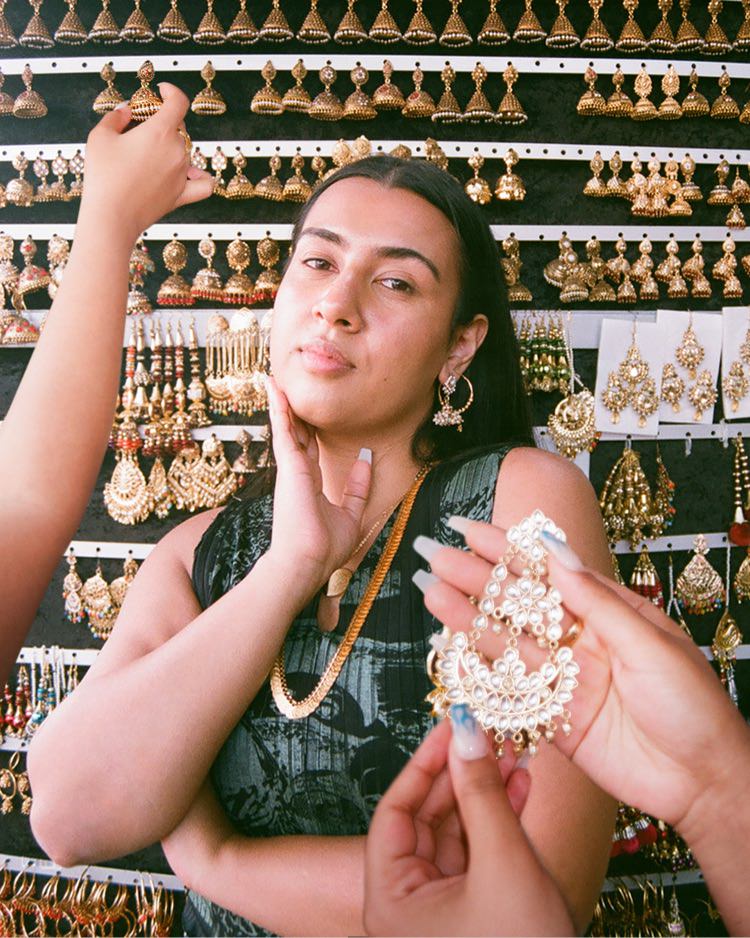
Rumsha: I’m proud that South Asian references have become part of my signature, because they’re connected to who I am and where I draw inspiration from. But I never want my work to feel limited to one aesthetic. To me, culture is a foundation, not a boundary. I love exploring different eras, textures, silhouettes and stories, and I think the most exciting work comes from allowing yourself the freedom to evolve.
Daniyaal: I love your styling commentary carousels. In one of them, you mentioned pulling inspiration from the most random places. Can you name one?
Rumsha: Books are a huge source of inspiration for me because they allow you to create visuals in your own mind. I love the process of imagining a character’s world… their personality, their environment, and how that could translate through clothing.
Daniyaal: When you’re not styling or creatively directing, how do you like to spend your time? AKA, what keeps you sane?
Rumsha: Books and films are what keep me sane. I love stepping into different worlds and seeing how stories, characters, and eras are brought to life. Even when I’m taking a break, I think I’m always collecting little pieces of inspiration that eventually find their way into my creative work.
Daniyaal: I use my Notes app and screenshots of different pulls to make outfits there. How do you prepare your looks?
Rumsha: My process is very hands-on. I’ll have a general direction in mind, but I like creating the look physically: pulling pieces, layering, adjusting, and letting the outfit evolve. For me, the magic happens when all the elements are in front of me and I can see the story come together.
Daniyaal: Sometimes Pakistani and South Asian fashion creatives talk about their families not initially encouraging their career paths. How did your family respond when you decided to pursue fashion?
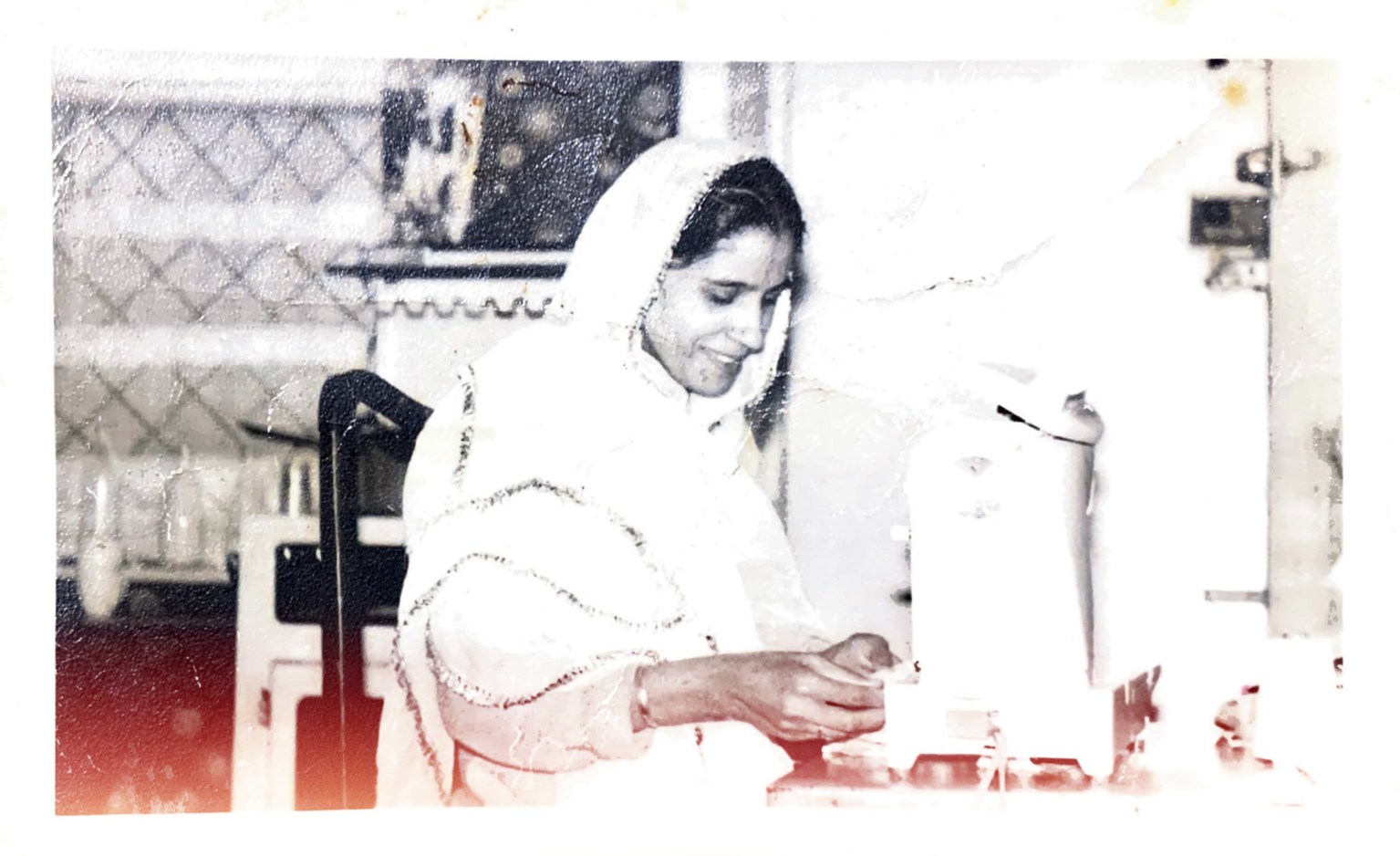
Rumsha: I grew up in a very traditional household, so the original plan for my life was to become a paediatric doctor. Halfway through college, I realised my passion was pulling me in a completely different direction, and I decided to pivot into business and pursue fashion. Naturally, my parents had some questions and concerns because it was a very different path from what they had imagined for me.
They supported me, but they also reminded me that if I chose this path, it wouldn’t be easy, and they were right. They watched me fail, fall, cry, try again, and continue fighting for this dream. Over time, I think they saw how much this meant to me and how seriously I took it. Recently, both of them told me they were proud of the work I’ve been doing, and that moment meant more than they probably realise. Having their support now, after seeing the journey it took to get here, feels really special.
Daniyaal: People may not know this, but your sister, Rehma, is also an artist. You two have become such an unstoppable creative duo. What’s it like working together as stylist x musician?
Rumsha: Rehma and I have been creating together since we were kids, and that actually includes my older sister Rohaina too. We were always putting on fake concerts, creating fake shows, and performing them for our parents. Looking back, it’s funny because we didn’t realise the roles we naturally took on as kids would become the roles we have in our careers today.
Rohaina was always the director. She was the one leading us, organising everything, and making sure we knew our parts. Rehma was always the star; she loved performing and had that confidence from such a young age. And then there was me, always thinking, “Wait… we can’t perform without the right outfits!”
Working with Rehma now feels like an extension of that childhood creativity. We understand each other’s visions, we push each other, and there’s a trust that comes from growing up creating together. Seeing those childhood moments turn into what we do professionally now is really special.
Daniyaal: I’ve also seen you designing and sewing pieces alongside Lydia. Could we ever see a Rumsha clothing line?
Rumsha: Lydia has honestly been such an inspiration to me. She has over 20 years of experience designing in Hollywood and has been behind some incredible, iconic looks. Being around her and seeing the level of craftsmanship that goes into her work really opened my eyes to the world of design.I would love to explore that side of myself one day, but I think if I do, it would be through one-of-one custom pieces rather than a traditional clothing line.
I love the idea of creating something that exists for one person and one moment. There’s already so much in the world, so I want anything I create to have meaning behind it.
Daniyaal: You did the set design for Rhea Raj’s Mumbai music video. What was that experience like?
Rumsha: It was honestly hectic, but in the best way. I love being able to step into different parts of the creative process and do whatever is needed to bring a vision to life. Set design was such a fun challenge because it’s not just about one element; it’s about creating an entire world that supports the artist, the music, and the story being told. Seeing everything come together on set was such a rewarding feeling.
Daniyaal: A question from Shreya Kaul:“When you’re on set to style, you often have to wear 30 additional hats (driver, gaffer, BTS photographer, etc.) while still making sure you stay on top of the wardrobe. How do you manage the chaos of juggling so much at once?”
Rumsha: I think when you’re someone who’s really committed to creating a vision, you naturally show up where you’re needed, but I also believe in respecting people’s time, skills and boundaries. I never want to encourage the idea that creatives should constantly overextend themselves or work for free.
For me, it’s about being invested in the process and understanding the bigger picture. Sometimes that means stepping in to help solve a problem, capturing BTS, or doing whatever makes sense within the role I’ve taken on. But every person on set brings a specific talent and deserves to be valued for that.I think the best creative environments happen when everyone is passionate, collaborative, and respected. You can care deeply about a project without sacrificing yourself for it.
Daniyaal: What’s one part of the fashion industry that everyone accepts as “just how it is” that you think actually needs to change?
Rumsha: I think one thing that needs to change is the idea that fashion has to feel intimidating or exclusive. There can sometimes be a lot of ego attached to the industry, and I don’t think creativity thrives in spaces where people feel like they have to prove they belong. Fashion is built by so many different people, perspectives, and backgrounds, and I think we need more openness, collaboration, and people who are willing to share knowledge instead of keeping others at a distance.
The most inspiring creatives I’ve met are the ones who are confident in their work but still kind, curious, and willing to uplift others. I think we can keep the artistry and excellence of fashion while making the industry feel more welcoming.
Daniyaal: What’s something you’re manifesting for yourself over the next few years?
Rumsha: Designing one-of-one customs.
Daniyaal: If someone shadowed you for one day, what’s the thing they’d be most shocked to learn about you as a stylist?
Rumsha: I think people would be surprised by how unglamorous and chaotic it can actually be. A lot of my day is problem-solving, running around, making last-minute decisions and figuring things out as I go. I think people imagine styling is just putting beautiful outfits together, but so much of it is about adaptability and staying calm when things change.
Daniyaal: Twenty years ago, designers were at the top of fashion’s hierarchy. Today, stylists, especially celebrity stylists like yourself, Law Roach and Lee Trigg, seem just as influential in shaping a brand or artist’s story. What do you think makes a stylist so influential in shaping how we see a brand or artist?
Rumsha: I think the power of a stylist comes from storytelling. Clothes are a form of communication, but the way they’re styled is what creates the world around them. A stylist helps bridge the gap between the clothing and the audience by creating a feeling, a character, or a moment people can connect with.The best styling goes beyond the outfit… it tells you something about the person wearing it and the story they want to share. That’s what makes it so influential.
Daniyaal: Finally, what’s one styling opinion you have that would probably get you cancelled?
Rumsha: My controversial opinion? Not every outfit needs to be beige, effortless, and “quiet luxury.” Sometimes I want drama, texture and a look that walks into a room before you do.