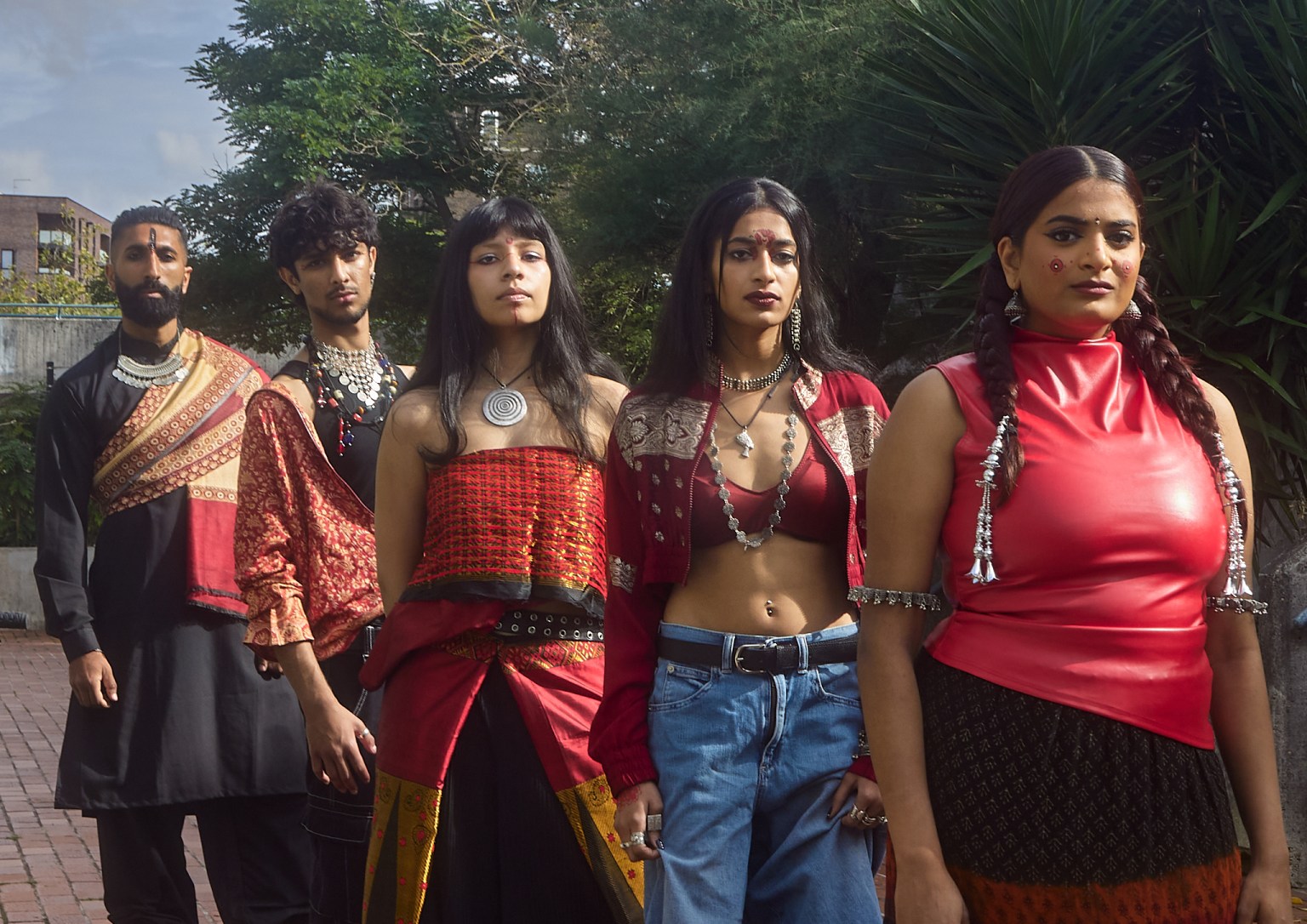
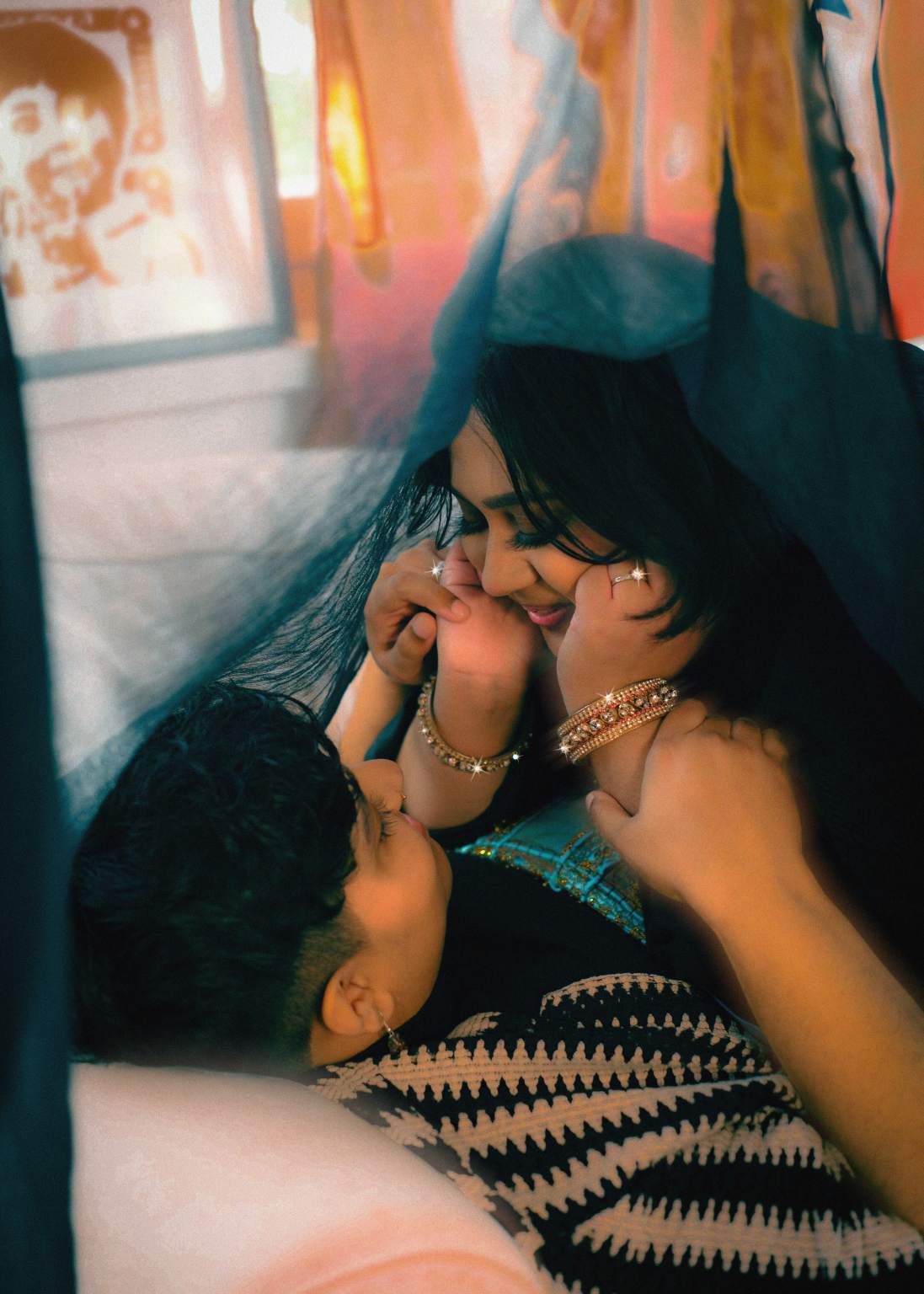
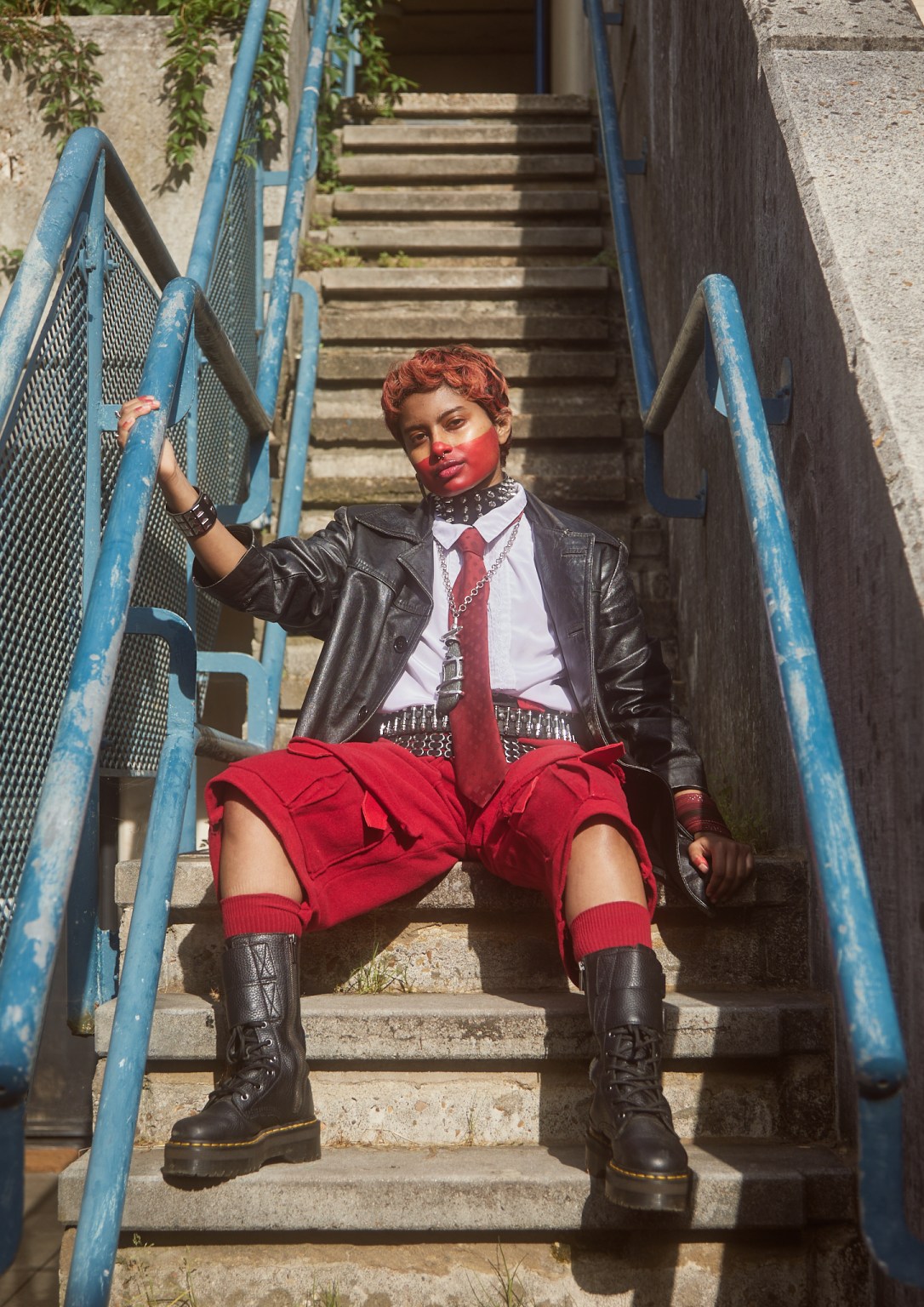
This Pride Month, we asked Queer South Asians two questions: What do you wish the South Asian community understood about being queer? And where do you find comfort when your own culture turns its back on you?
Here’s what they said.
What is something you wish the South Asian community knew or understood about being queer and queer culture?
What is something you wish the South Asian community knew or understood about being queer and queer culture?
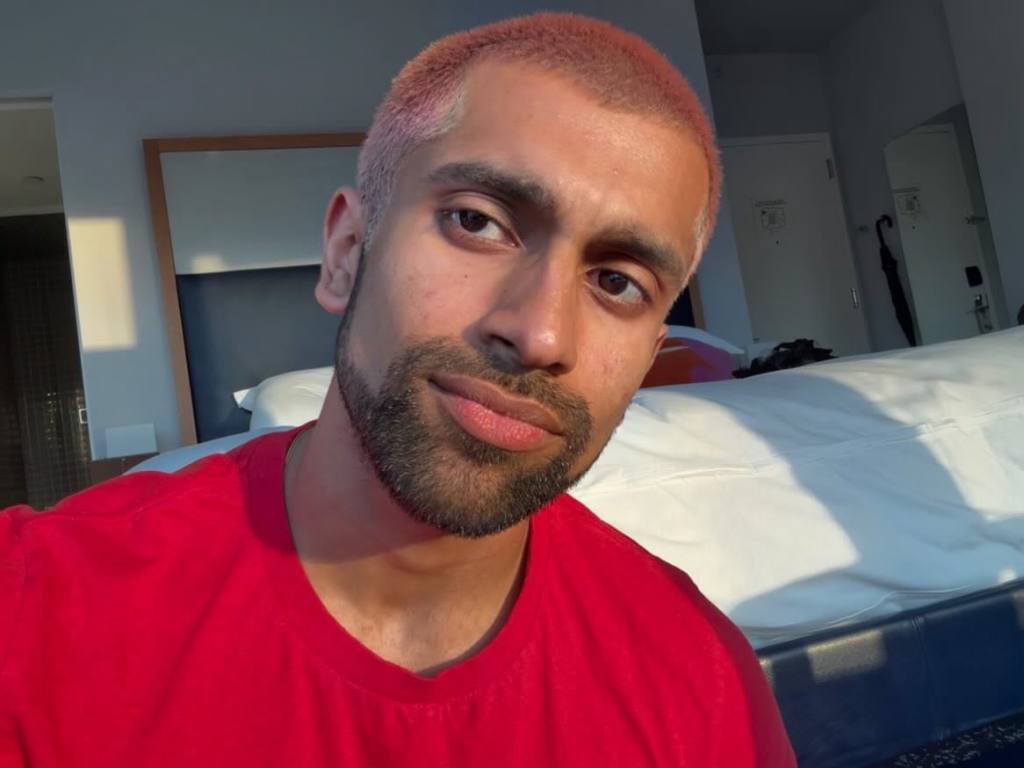
Nick (@nickjpegs)
“Being gay isn’t a product of ‘western indoctrination’. Queerness has existed since the 4th and 2nd centuries BCE in South Asia. It isn’t new, yet many ignorant desi people conflate queer identities with betrayal to the culture, which is not the case. South Asian queer people aren’t doing this for congregation – they are merely wishing to live as their true selves.”
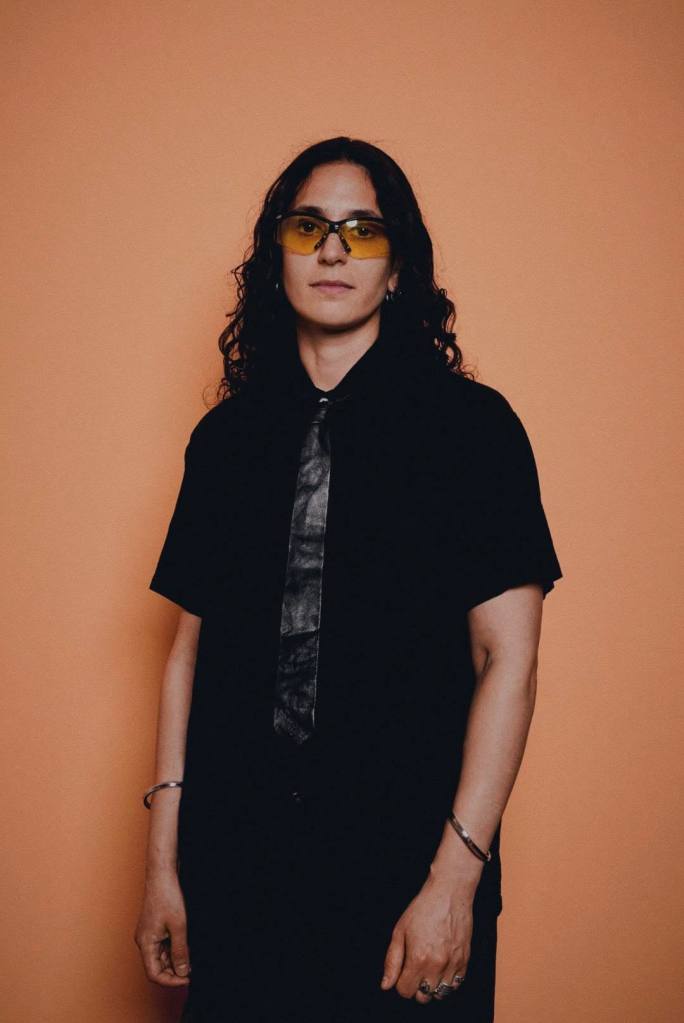
Nadine (@nadineahya)
“Queerness has always been a part of our history. The prejudice around queerness in South Asian communities is largely because of colonisation and the patriarchy. Being queer makes me feel closer to myself and to my roots. I couldn’t be more proud of that.”

Krislen Chetty (@krxslen)
“Religion doesn’t have to be dropped. You can find peace in it and still be able to express yourself.”

Herà (@heratheartist)
“It’s not a one size fits all. I fear that sometimes when it comes to the shared experience, a lot of it does overlap, but people’s views and outlooks differ, especially with the societal standards and norms that are culturally prevalent in our lives. Living in India, I found so many queer spaces where I felt safe and free to be as much of myself as I can be. The community is so rich, talented and diverse, so difference in opinions, backgrounds and stories will also be reflected. What I have found is that not a lot of people get that nuance.”
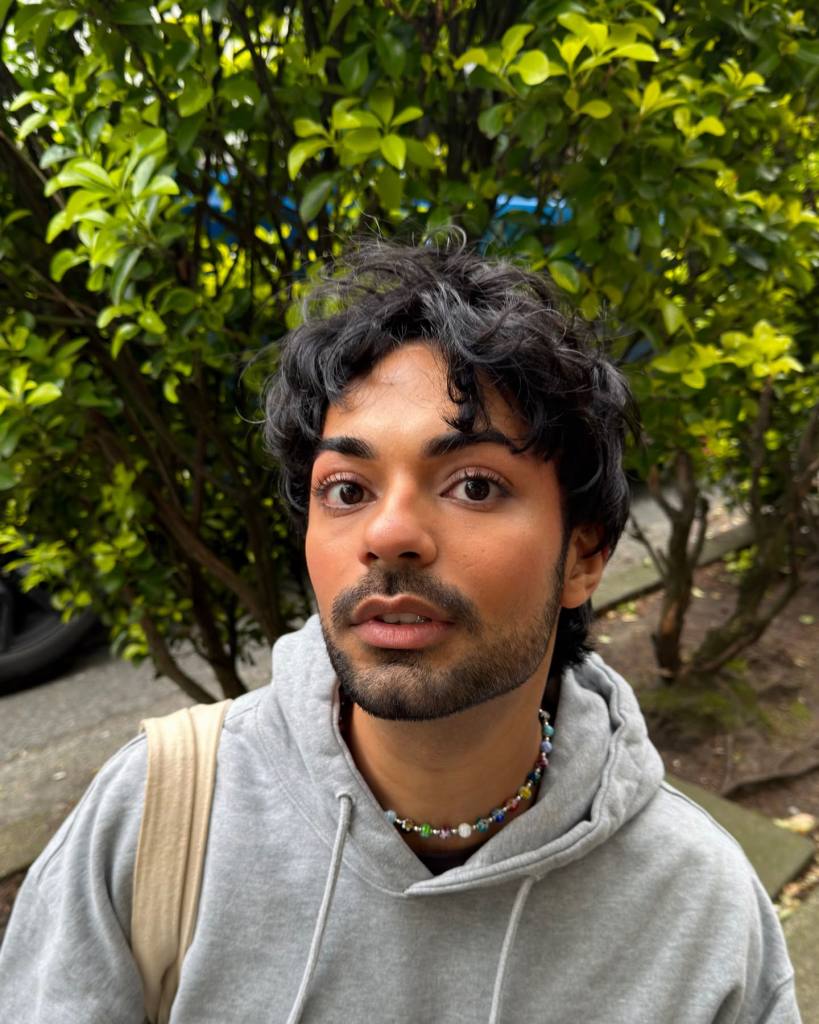
Davinder Johal (@helloitsdavinder)
“I wish there was more unconditional love and support. I think there’s a lot of pressure in our community to fit a certain mold, but people thrive when they’re accepted for who they are.”
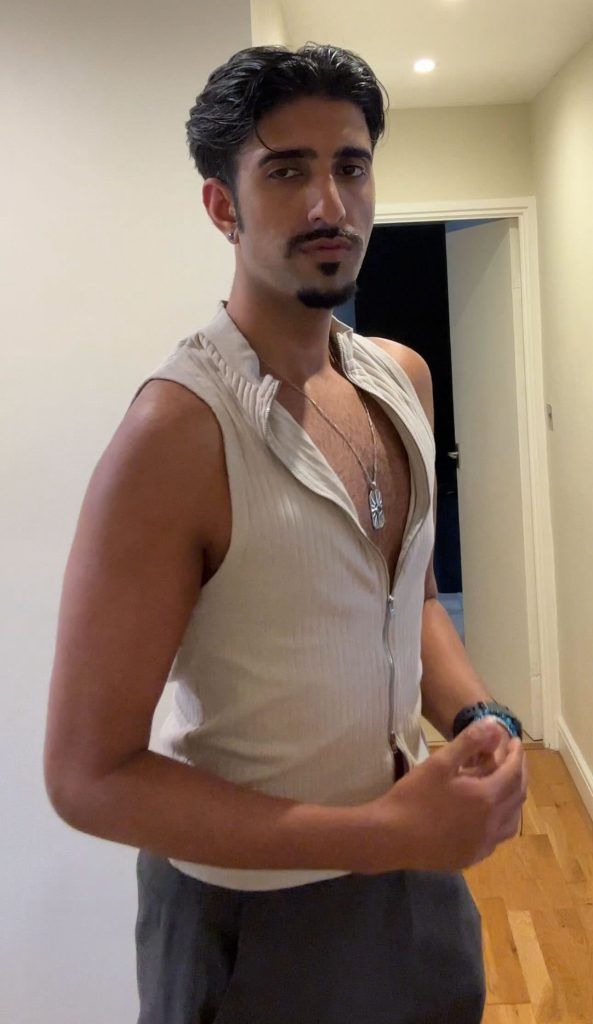
Irteza (@i_r_t_e_z_a1)
“I wish the community could see the amount of queer people and how being raised queer complements some of the most integral roles in society. I see queer people embodying carers, doctors, nurses, social workers. Being raised queer and South Asian brings an intersectional lens and a profound sense of empathy and social justice. I wish our community could see the amount of queer people driving social change and amplifying some of the most marginalised voices.”
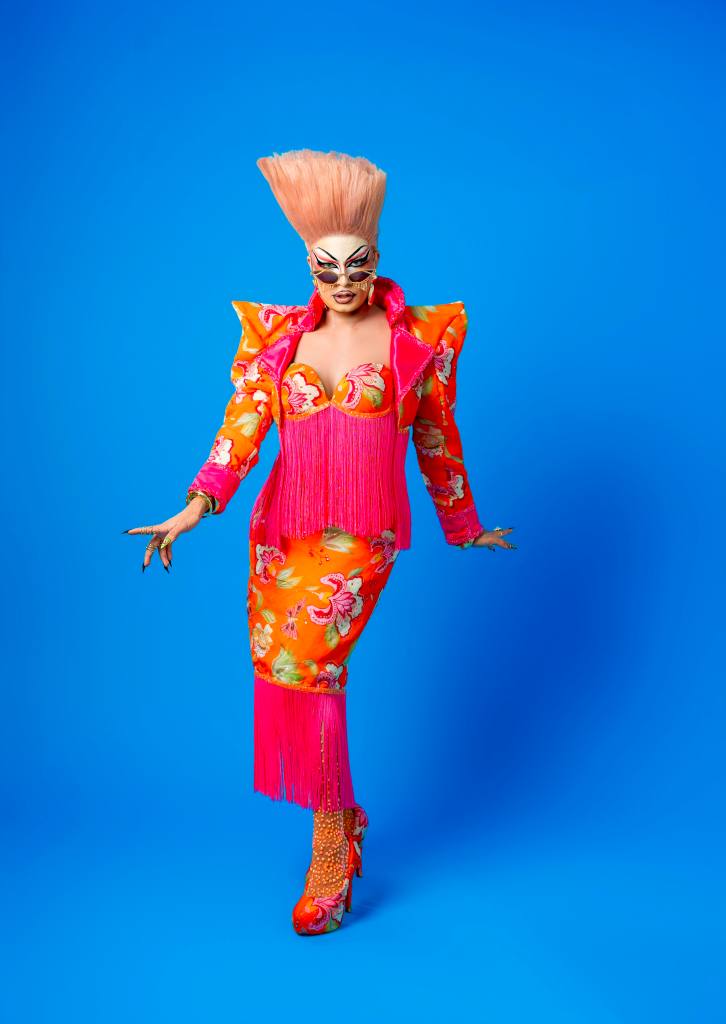
Malai (@malai)
“I wish more people understood that queer people often do the difficult work of questioning and unlearning the rigid gender roles and expectations we inherit from family, culture, and society. We are constantly challenged to examine who we are beyond what we’ve been told to be. That takes a level of self-reflection and courage that many straight people never have to engage with. There is a lot that broader society could learn from queer experiences, yet we’re often treated as outsiders or misfits. In many ways, queer people are at the forefront of cultural evolution, not standing outside of it.”
Neo (@neo10y)
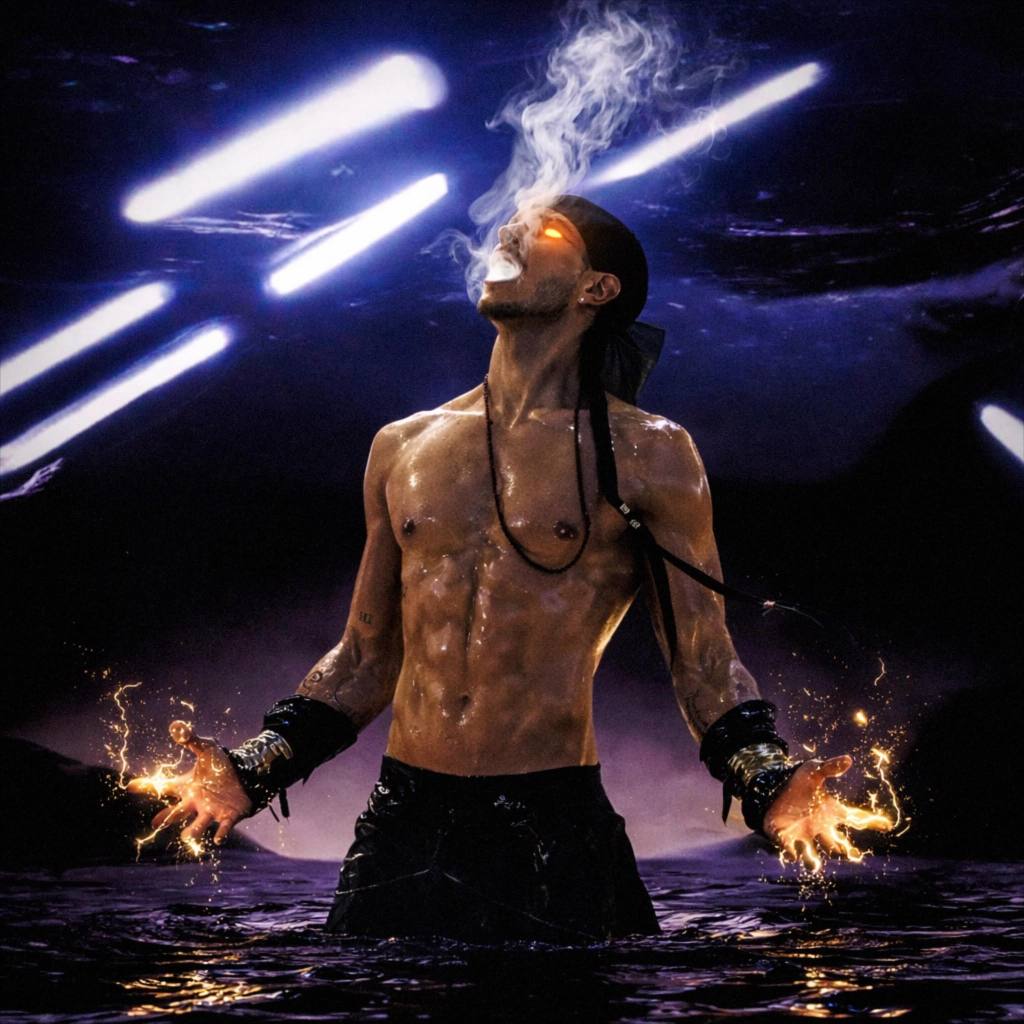
“One thing I wish more people understood is that queerness is not foreign to South Asian culture. Long before colonialism, many South Asian traditions recognised a far broader spectrum of gender and sexuality than the rigid binaries that were later imposed upon us. The idea that there are only two ways to exist is actually far newer than many people realise. Even modern sexology demonstrated that human sexuality exists on a spectrum rather than in fixed categories.”
Inder (@theinderacts)
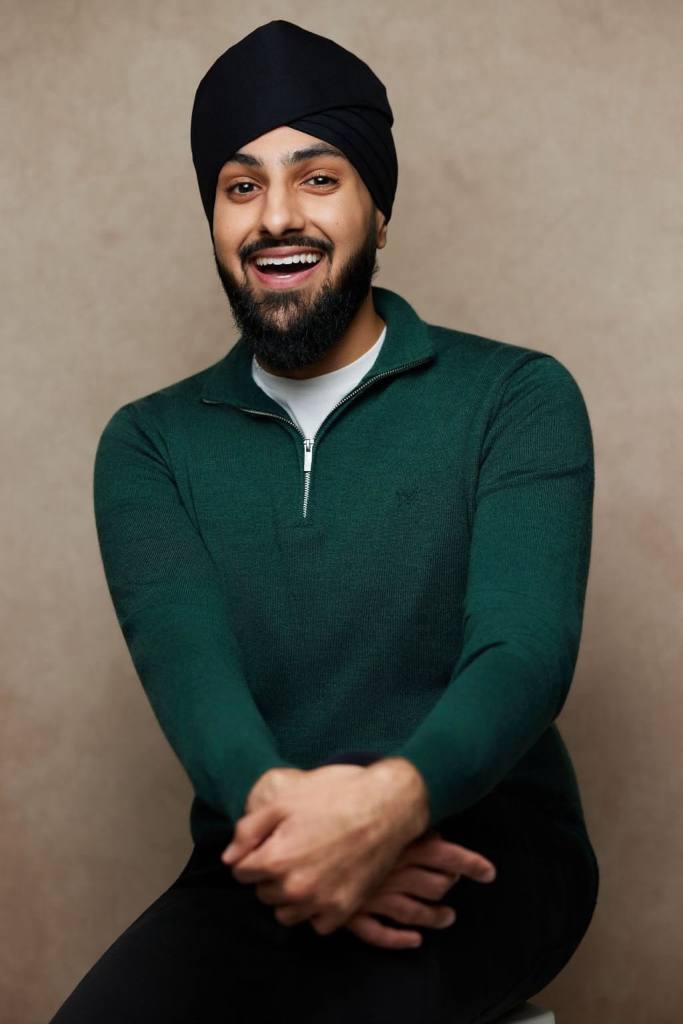
“It’s not always loud, proud and roaring. Queer folk are just regular folk with a lil sparkly edge to them. Sometimes, we too just want the mundane, peaceful existence of sitting in our truth quietly and being treated like everyone else. But the more society brushes over us, the louder we have to be to simply be seen, heard, and able to breathe honestly.”
Asad (@hauseofassad)
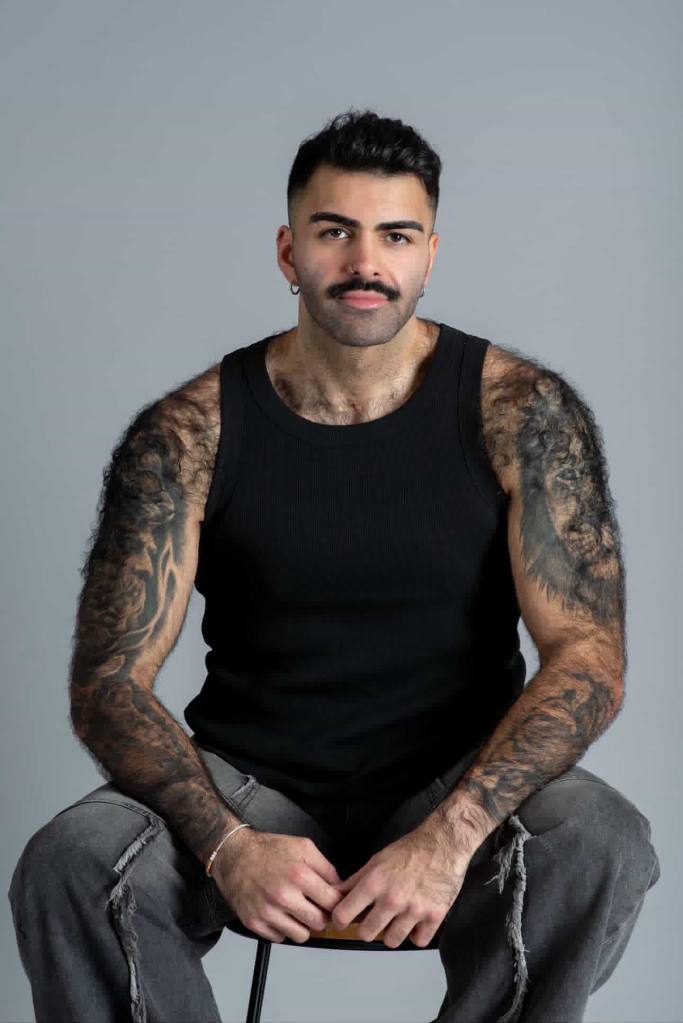
“Queer people have existed from the beginning of time. This transcends cultures and borders. We’ve always been here. Our identity isn’t a new concept; we now have the language and are constantly fighting to be more visible. Being queer isn’t a ‘gora’ concept, and defying norms doesn’t make you a traitor to your South Asian roots. Everyone should have the freedom to live as their authentic self, however that may be. Being queer isn’t a choice.”
Samira Choudhury (@smizerc)
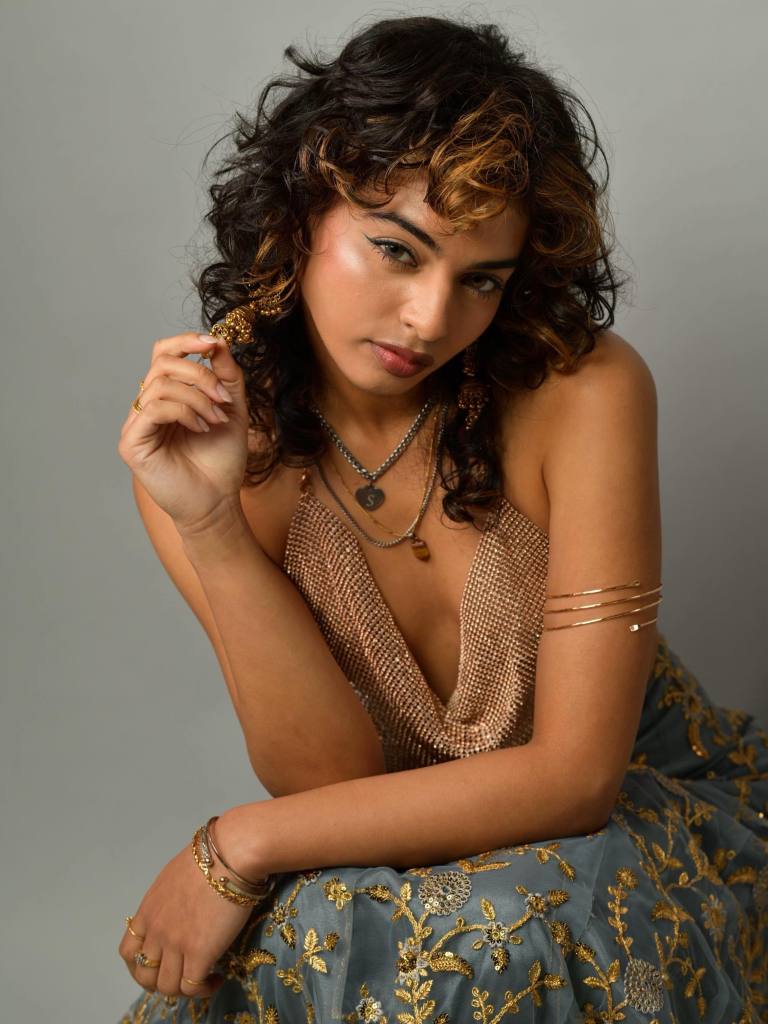
“Something I wish the South Asian community knew and understood about being queer is that it’s not a choice we make, but how we’re born into this world. What we do choose is to be happy and live authentically as ourselves. We love as they do, we seek community and understanding as do they. I feel like many of the older generation think it’s all to do with lust and desire – something that we should control – but at the end of the day it’s more about the love we have and being able to freely express that.”

Muhammad Burhan (@ishq_istan)
“I wish our South Asian community understood that acceptance requires more than good intentions: it requires education, exposure, and ongoing capacity building. Many parents and elders simply haven’t had access to queer representation or the language needed to understand these experiences. When I came out, my Pakistani family thought I was the only person in the world like me because their exposure was so limited. That’s why culturally relevant learning matters. How do you explain pronouns to parents who don’t speak English or have never encountered these conversations before? We need resources that meet people where they are. Capacity building creates empathy, understanding, and healing.”

Hina Baloch (@surkhina)
“When I was in Pakistan, I had wished for Pakistanis to be more inclusive because there was already a very visible cultural acceptance of queer expression, thanks to the divine existence of the Hijra and Khawajasira community. But when I moved to London, what I witnessed was a complete disconnect between the South Asian diaspora and the queer community. Even subtle expressions of queerness make them uncomfortable. They live in a multicultural society, so I wouldn’t ask them to learn more about us, but I would expect them to unlearn what’s being fed to them by the Victorian morality brigade, because queerphobia was always alien to South Asia. Imagine a former Prime Minister celebrating Diwali and also mocking trans people in Parliament – even though he came from a culture which celebrates gender fluidity as an avatar of God. There is a lot of unlearning that needs to be done.”

Bucky Yaqub (@famegrandpa)
“When my Muslim parents found out I was gay, they kicked me out of our home. It was one of the most painful experiences of my life, and the impact of it still lingers. But it also forced me to build a life on my own terms. Leaving one uncomfortable home for a world that could be equally uncomfortable taught me something important: discomfort is temporary, but self-abandonment lasts much longer. Today, I find comfort in knowing that every space I enter becomes a little easier for the next queer South Asian who walks into it.”
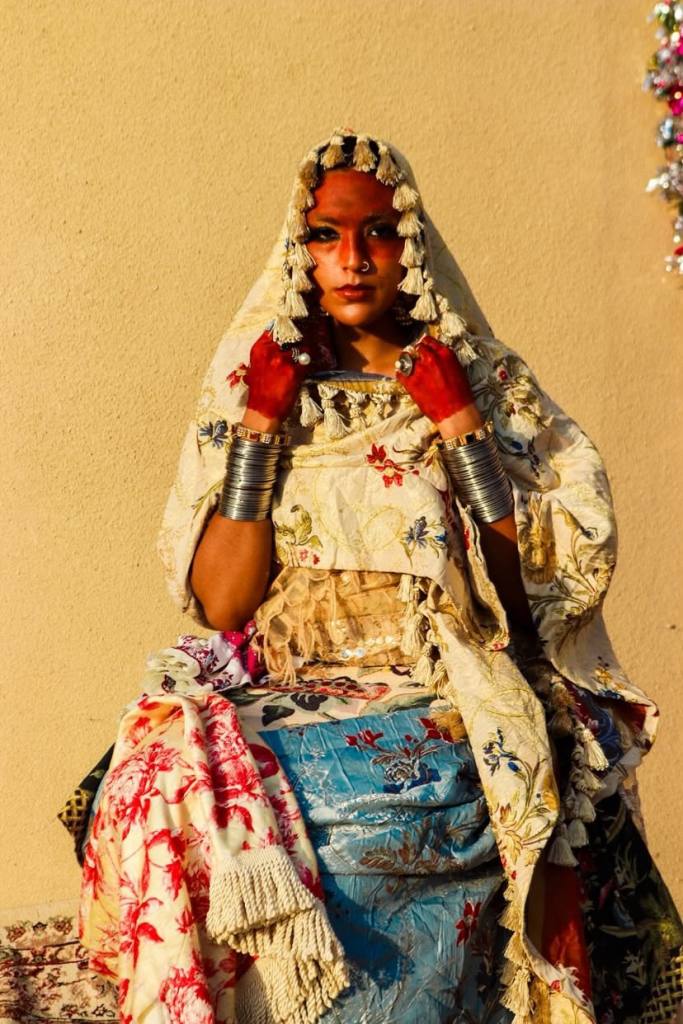
Fatima Alibhai (@frankialibi)
“I wish they understood how welcoming the queer space and community can be. Traditional South Asian culture, especially in Pakistan, is based around shame as a means of control, and so many of us grow up internalising that in different ways. Queer spaces are the antithesis of that; they allow us to really let go of all that fear.”
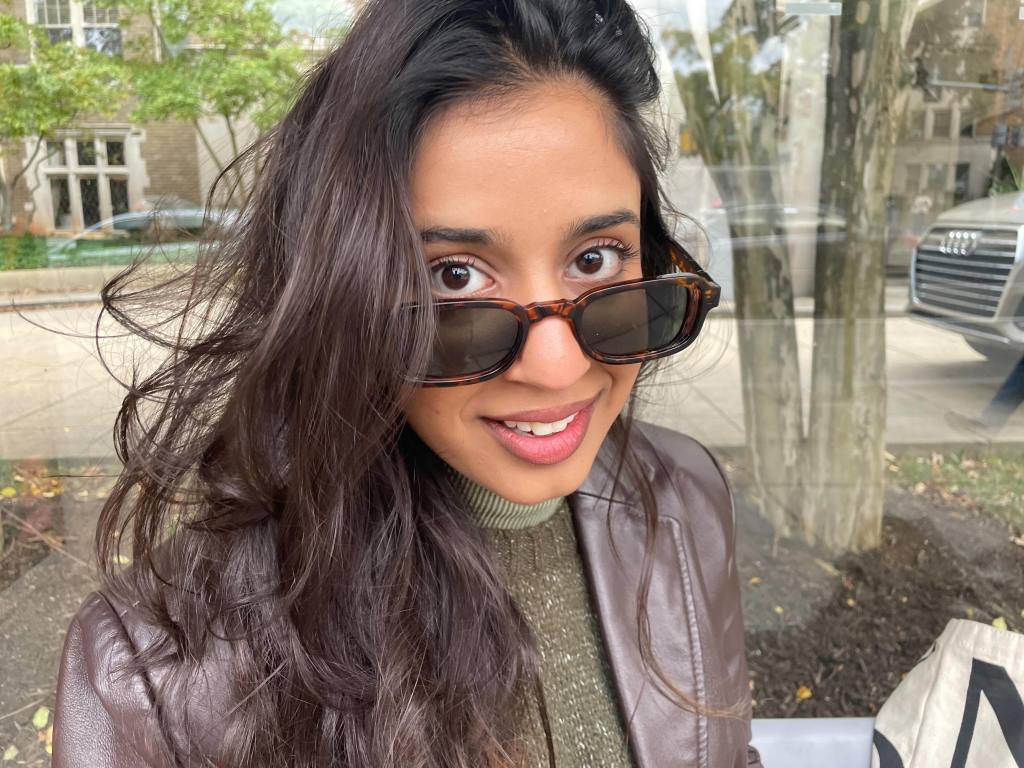
Fareha Abid (@farehaaabid)
“A decolonial lens towards our history would change everything. Our histories, literature, and folk traditions have always contained fluid understandings of gender and desire that many contemporary narratives fail to acknowledge today. What often feels ‘Western’ is sometimes the result of forgetting our own past.”
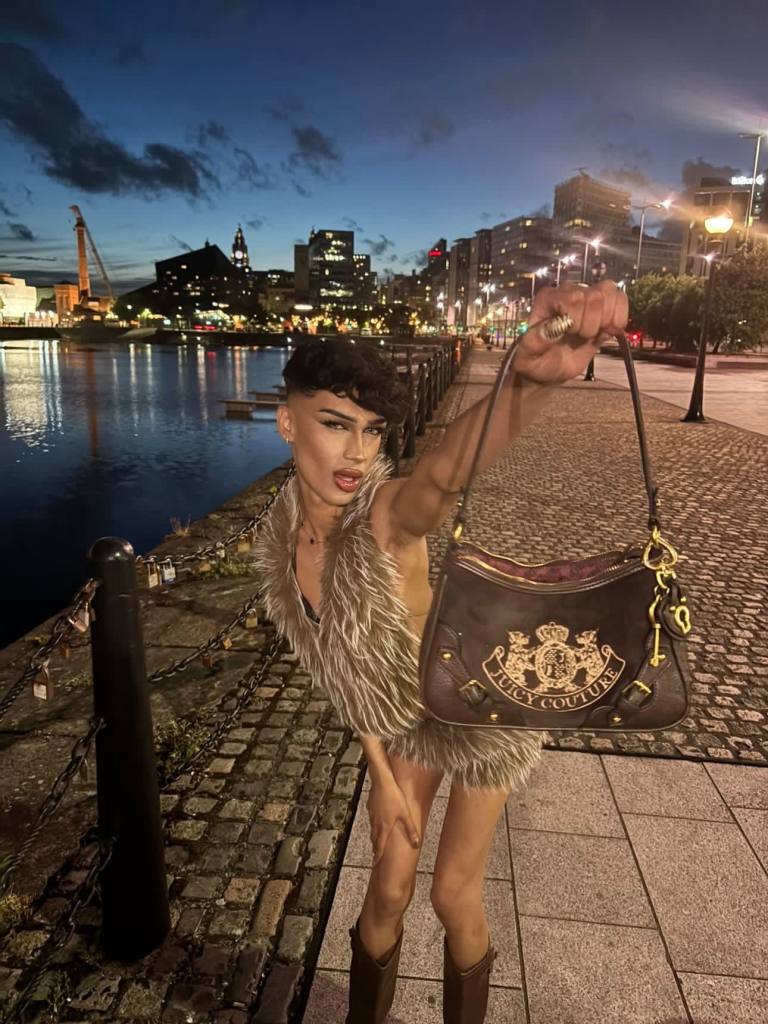
Adil (@a.gbaby)
“I wish the South Asian community understood that it isn’t a choice, and we don’t go through all of this with our families just for attention. We feel like a minority within a minority – and honestly, the biggest amount of hate I get is from my own race, which gets really frustrating. This is why we end up gravitating towards different cultures and communities, because they accept us for who we are. Only to then be called ‘whitewashed’ by our own community.”
Many queer South Asians grow up navigating the possibility of being ostracised by their families and communities simply for being themselves. At the same time, they want to remind us that queerness is neither a choice nor a Western influence; it has long been part of South Asian history and culture. What people are asking for is remarkably human: to be loved, understood, and accepted without conditions from our own kin.
How do you find comfort when faced with an unwelcoming environment in our culture?
Nick (@nickjpegs)
“The older generation may spout queerphobic remarks, but at the end of the day their ignorance stems from complacency, which renders their culture static. I like to remind myself that the current queer Desi generation is evolving, and there are so many of us working towards creating an inclusive culture. I see so many of us in queer journalism, TV, and nightlife. Do not wallow and think that it is over. Keep going.”
Nadine (@nadineahya)
“I don’t look for approval in spaces that refuse to welcome me. How I’m treated says more about their limits than my worth, so I don’t take it personally. I have a chosen family and a partner, who is also South Asian, where I am fully seen and welcomed, and that’s enough for me.”
Krislen Chetty (@krxslen)
“I have always gravitated naturally towards the kinder, happier people in those spaces, and there’s always one. It’s a skill we develop from an early age: being a good judge of character.”
Herà (@heratheartist)
“I have been lucky enough to come from a family that hasn’t judged me for who I am and has always supported me no matter what. Outside noise is just that, outside noise. People outside of my circle can say whatever they want, but at the end of the day, they don’t have any space in my head. I’ve learned from a young age through my Mama’s experience that as long as we, in ourselves, know what we’re doing and believe in it, nothing else should matter. Friends and family have been my little haven. Throughout my life in England and Spain, I wasn’t surrounded by many British South Asians, so having built that network now, I feel seen in so many ways.”
Davinder Johal (@helloitsdavinder)
“I’m a big believer in chosen family. I’ve learned that there are so many people out there who will love and support you for exactly who you are.”
Irteza (@i_r_t_e_z_a1)
“I find comfort and strength through connecting with others who have a shared lived experience. In our community, a lot of queer people are ostracised and marginalised, but through that, we have created other forms of community and collective spaces that bring people in rather than push them away. I find comfort in supporting others. By using the negativity I have experienced, it has empowered me to create empathetic and supportive spaces – spaces of light.”
Malai (@malai)
“I’ve learned not to assume that every space will be welcoming to queer, feminine people like me. When I find myself in an environment where I don’t feel respected or valued, I remove myself if I can. If leaving isn’t an option, I believe it’s important to take up space, speak up, and make it clear that my presence is not up for debate. And if the environment remains hostile despite that, walking away is sometimes the most powerful choice. Not every room deserves your energy.”
Neo (@neo10y)
“I remind myself that my worth is not determined by someone else’s level of consciousness. Throughout history, every movement towards greater freedom has faced resistance before acceptance. When I encounter unwelcoming spaces, I return to my purpose, my spiritual practice, my community, and my art. I also remember that I am part of a much bigger story. There have always been queer people, gender-expansive people, and people challenging limitations across every culture and generation. That knowledge brings me comfort. My role isn’t to convince everyone to understand me, it’s to continue choosing love, living authentically, and creating art that helps others feel seen.”
Inder (@theinderacts)
“Faith has been imperative for my perseverance through this journey. Knowing that my calling is divinely gifted, I trust God and the universe to handle business when I can’t.”
Asad (@hauseofassad)
“I find comfort in my friends and chosen family, those who supported me when I was discovering who I was, those who have championed me from the beginning, before I came out as gay and nonbinary. I find comfort in my identity and in healing my inner child, who was told to refute femininity and conform. I find comfort in knowing I’m truly a bad ass bitch who would have protected younger me, and that younger me would have looked up to and that’s all that matters.”
Samira Choudhury (@smizerc)
“I find comfort in knowing that not many people have bad intent. A lot of it, at the end of the day, is just a lack of understanding of what a queer person is and what that means. The way many people are brought up, especially first-generation immigrants, they’re never taught or get to see queer people in a positive light. The way we’re brought up, we see all forms of love as beautiful, and we’re in a place so diverse and accepting that you can be whoever you want to be. So my comfort is knowing that the people within that particular room may not understand me, but the ones outside of it do.”
Muhammad Burhan (@ishq_istan)
“I find comfort through creativity and community. Photography helps me process the complexities of being a queer, Muslim, South Asian immigrant, while organising allows me to transform personal challenges into collective conversations. Whether through art, public speaking, or community building, I’ve learned that isolation thrives in silence, but healing happens in connection. Creating spaces for dialogue reminds me that culture isn’t fixed, we all have the power to shape it into something more inclusive and compassionate.”
Hina Baloch (@surkhina)
“Traditionally, the Hijra communities of South Asia build their world on the understanding that survival depends on each other. When young trans kids run away from their parental homes or are kicked out by their own parents, they seek refuge in Hijra communities across South Asia. It becomes a part of growing up to not expect much from the outside, but to focus on building a strong community so closely tied to each other that you never have to rely on support systems beyond it. I find comfort in the presence of my trans and gay friends. And as far as unwelcoming environments are concerned, we are survivors. We know how and when to clap back. If there’s an unpleasant feeling within the community, I believe it’s always best to communicate clearly with the intent to resolve. That’s how queer communities have been surviving for centuries: we build our own kinship networks, support systems, and accountability mechanisms, and they work far better for us than anything the world of cis people has offered.”
Bucky Yaqub (@famegrandpa)
“When faced with an unwelcoming environment, I find comfort in knowing that I will never feel good suppressing parts of myself to make others comfortable, especially judgmental aunties. Being my authentic self means I will always be scrutinised as a visibly queer brown person, but I’ve learned that authenticity is worth the discomfort. A few years ago, I received a message from an anonymous profile claiming to be my cousin. They told me they were inspired by me. It reminded me that every time I show up as myself, whether I’m outspoken or silent, someone else in the room sees a version of life they may not have thought was possible.”
Fatima Alibhai (@frankialibi)
“History comforts me, the knowledge that queer people have always existed and lived their lives, in both the East and the West, through different eras and cultures. I knew at a very early age that I was bisexual and queer, and it was the most normal thing for me to accept about myself.”
Fareha Abid (@farehaaabid)
“I often turn to art and literature. They remind me that ambiguity, difference, and longing have always been part of the human experience, and that many people before us have found ways to survive and create despite exclusion.”
Adil (@a.gbaby)
Gaby told us they don’t find comfort, and that, in itself, says everything.
In the face of rejection, many queer South Asians create and seek out spaces where they can be seen and affirmed. Whether through chosen family or community networks, comfort often comes from building new forms of belonging. Alongside these relationships is the important work of inner healing, nurturing the parts of themselves that were once told to hide, and embracing their identity on their own terms.
We know the pain of exclusion. So, why do we recreate it?