Daniyaal: Pardesi feels deeply personal. Where did the idea for the project first come from?
Pravesa: The idea came from my lived experience of what it was like to grow up in London as a first generation immigrant from India and the tension in my identity created by trying to balance both of my western and eastern values in one way. I felt like I didn’t belong in India or London, I was always a mix of both, which is how Pardesi was born. Pardesi is my bittersweet take on the diaspora.
Daniyaal: A lot of diaspora stories focus on feeling caught between cultures. Your work seems to find comfort in being both British and Indian. Has that always come naturally to you?
Pravesa: In my teenage years I struggled a lot with identity and where I fit in, I never felt like I belonged as I was torn apart between cultures and from a young age I felt different and somewhat alienated. That feeling of not belonging led me to finding comfort in the diaspora and celebrating that I get to be a part of both cultures, rather than seeing it as a burden I chose to celebrate it. It took a lot of time to process my identity and it still is a work in progress.
Pages from Pardesi
Daniyaal: Diaspora identity is often framed through loss or not belonging. Your work offers a different perspective. Tell me more about that?
Pravesa: I believe that everyone has their own experience in the diaspora community and it is very easy to get lost in the struggles, as I myself was a victim of that, but I also do believe we have the choice to see good in our experiences. There is already so much grief and loss embedded in the South Asian diaspora, especially with having to leave your whole life behind and cherished loved ones. This sadness made me want to uplift the joys hidden in the diaspora and help others see that. To conclude, identity will always be a struggle but we can navigate our lives to focus on the beauty of it. Coming back to how grief always lingers, it is such a deep emotion, love is just as intense, and it will always outshine the grief.
Daniyaal: Have you met people who relate to the sense of comfort and belonging you’ve found in your dual identity?
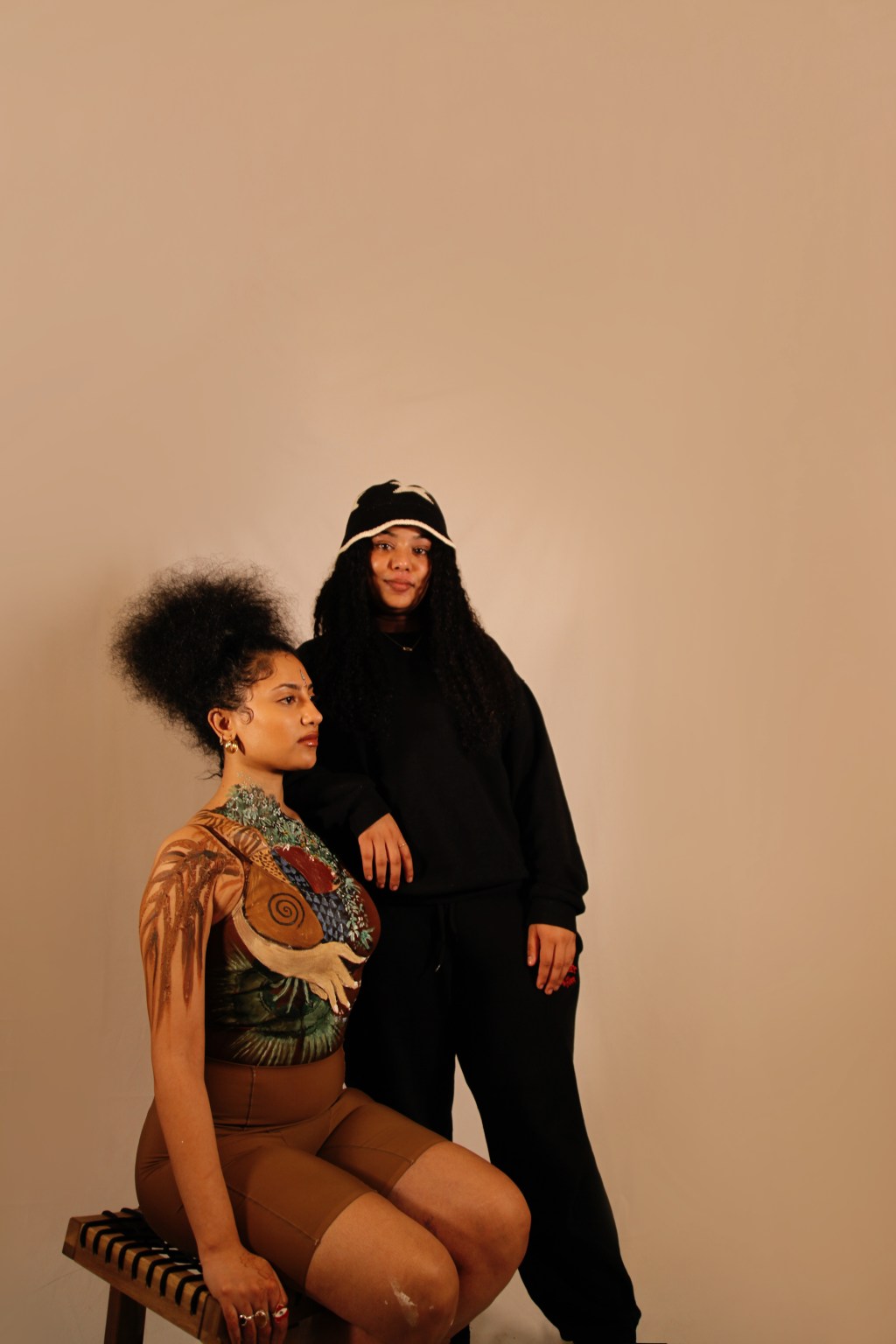
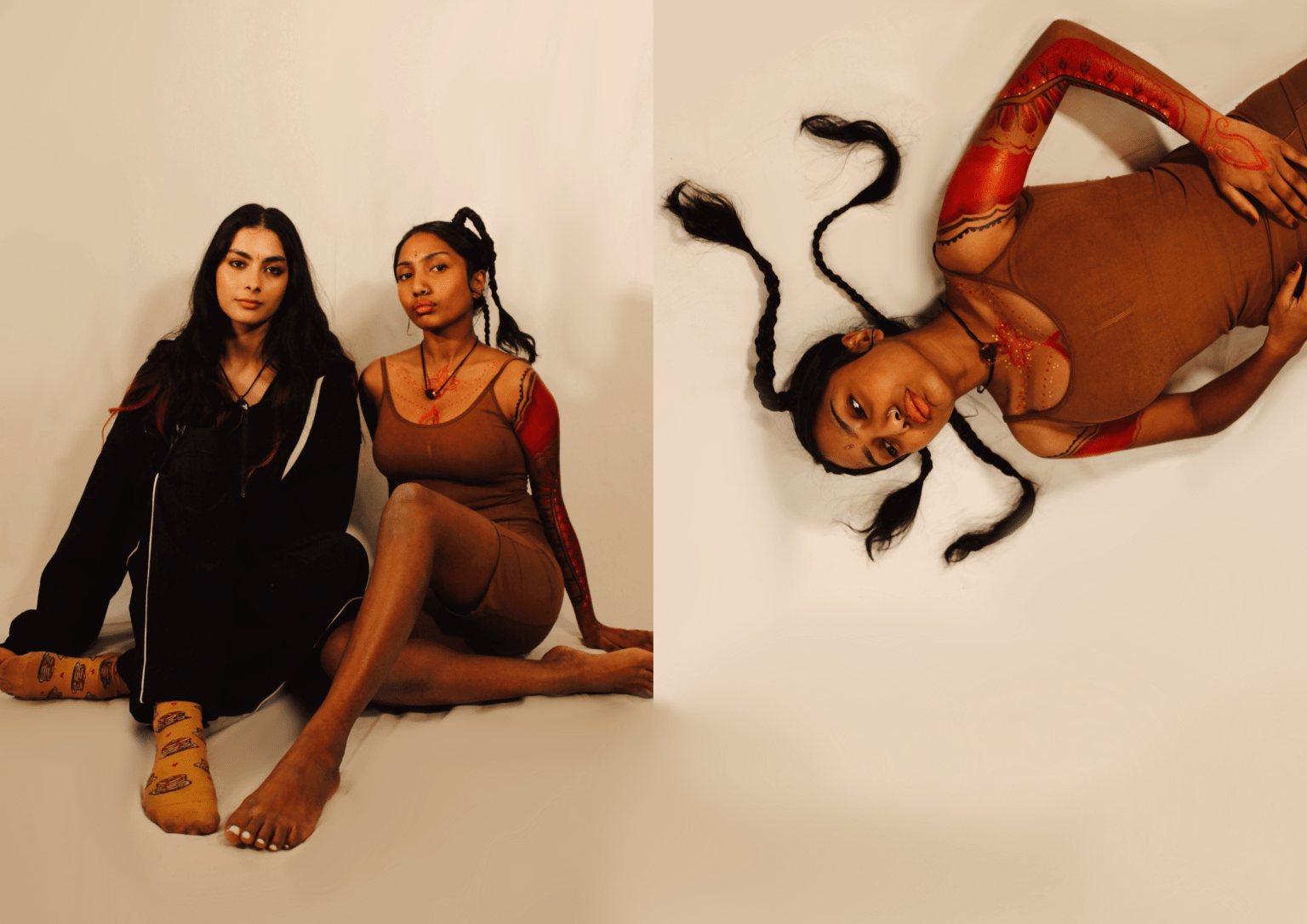
Pravesa: Yes! A huge part of this project was to scout models who had similar feelings of duality embedded in their personality as well as looks. The majority of my models I incorporated in my zine were selected for that reason. They all come from parents of immigrants who live in London and pursue a creative talent, such as being a fashion designer, a presenter or a model. With all my models I created two looks for the shoot I did with them to portray that duality and how people don’t have to be forced into one box or aesthetic, but rather live their life and the world makes space for them. It was also very heart touching to hear about their life stories, on where they get their creative drive from and if the diaspora has impacted their practice or lifestyle in any way. It helped me gain confidence in my project to showcase how important it is to give a platform to these artists, as well as comfort in seeing similar struggles and how so many of us are on the same path and how important community is.

Pages from Pardesi
Daniyaal: When we talk about places like Southall or Alum Rock, there is a lot of hardship and struggle. What was it like for you growing up in Southall in the 2000s?
Pravesa: Places such as Southall, Brick Lane and Bradford were not always easy places to grow up in during the early 2000s. Although racism was less overt than in previous decades, many brown communities still faced prejudice and negative stereotypes. I often heard stories from parents, relatives, and teachers about the racism they experienced growing up, including racial abuse and violence. While Southall is considered safe today, its history reflects the challenges many immigrant communities faced while building a sense of belonging in Britain.
Daniyaal: Can you share a memory from that era that perfectly captures the feeling of the time?
Pravesa: Growing up, we did birthdays quite big, inviting all my family, and for me, that depicts the 2000s so well, with everyone having to be present and meeting up regularly before social media. A vivid memory for me would definitely be my 2nd birthday party, the memory of getting together all your loved ones with copious amounts of food, all the aunties making food in the kitchen while frying samosas and gossiping and all the uncles doing the BBQ making kebabs and drinking whiskey, to random baby cousins sleeping on your bed, each room in the house being occupied with family, and even inviting neighbours to come and eat. It was such a wholesome feeling to have the house crowded with love and laughter. As an immigrant, it can feel very isolating, so these small parties would bring back a time of what it was like to be in India, as well as just the warmth of your community. Due to this memory a lot of my archival family images are birthday parties from the 2000s, because it was such a joyous occasion of how us South Asians can make any place home with the right people and food.


Pages from Pardesi
Daniyaal: You were embracing Y2K long before it became mainstream again. What first drew you to that aesthetic?
Pravesa: From a young age I was always quite fashionable, I was always exploring options that were different to the crowd that I grew up in. Particularly in Southall everyone had to fit in a box and dress a certain way to fit in otherwise you would get bullied, but I wanted to go further than that. So as a teenager I started to really debunk what my inspiration draws from and for me that was 2000s Bollywood and 2000s British rom coms. Then I came across old CDs which my parents had recorded in the 2000s where all my older cousin sisters were dressed so glamorously, and combining the two together, I had an epiphany to bring back 2000s as no one was really doing it and especially no one that was desi, and I really wanted to represent us as a whole in a non stereotypical way. It began first as a fashion topic but soon became a whole project about nostalgia and diaspora.
Daniyaal: Looking back, which fashion and beauty trends best defined Y2K style for British South Asian girls?
Pravesa: The British South Asian girls did 2000s the best! A lot of the IT girls had beehives, with Blackberries and bangles, with Juicy Couture tracksuits and Paul’s Boutique bags with the long diamond bindis, with honey brown highlights and dead straight hair. From their kajal to their glossy lips, don’t get me started on the maximalist shararas and lenghas which had so much colour and class! Those girls probably don’t even realise the impact they have had on the younger generation and how influential they were by combining British and South Asian elements into one aesthetic.
Daniyaal: Were there particular women, family members, celebrities, or community figures whose style inspired you?
Pravesa: My older sister and older cousin sisters have played a huge role as my inspiration by paving the way for younger South Asian girls, as well as a lot of Bollywood actresses such as Katrina Kaif, Bipasha Basu and Kareena Kapoor, with a combination of British icons such as Amy Winehouse, Lily Allen, Kim Kardashian and Katie Price.

Pages from Pardesi
Daniyaal: If you were creating a Mount Rushmore of fashion icons, who would make the cut?
Pravesa: Okay, so I would select Yasmeen Ghauri, Amy Winehouse, Sharmila Tagore and Carrie Bradshaw.
Daniyaal: Is there a film character, TV personality, or pop culture figure that best reflects your personality or aesthetic?
Pravesa: I draw from multiple different inspirations in media, such as Poo from Kabhi Khushi Kabhie Gham, Pinky from Bend It Like Beckham, Charlotte from Sex and the City and Kimora Lee, founder of Baby Phat, just a combination of fashion icons who are businesswomen but know how to have fun!
Daniyaal: Was there a particular image that immediately felt essential to include in the zine?
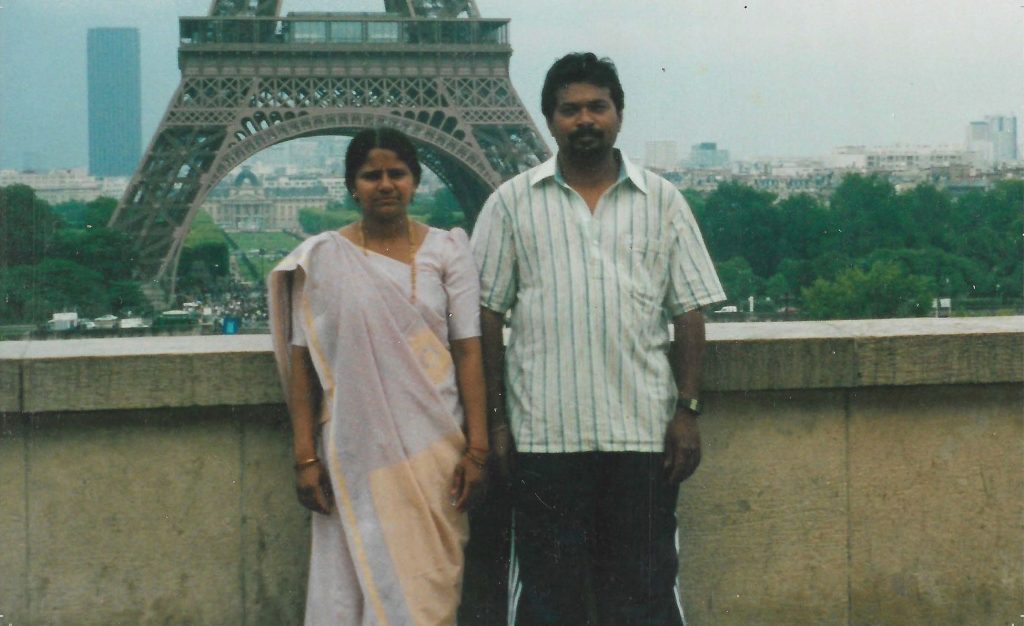
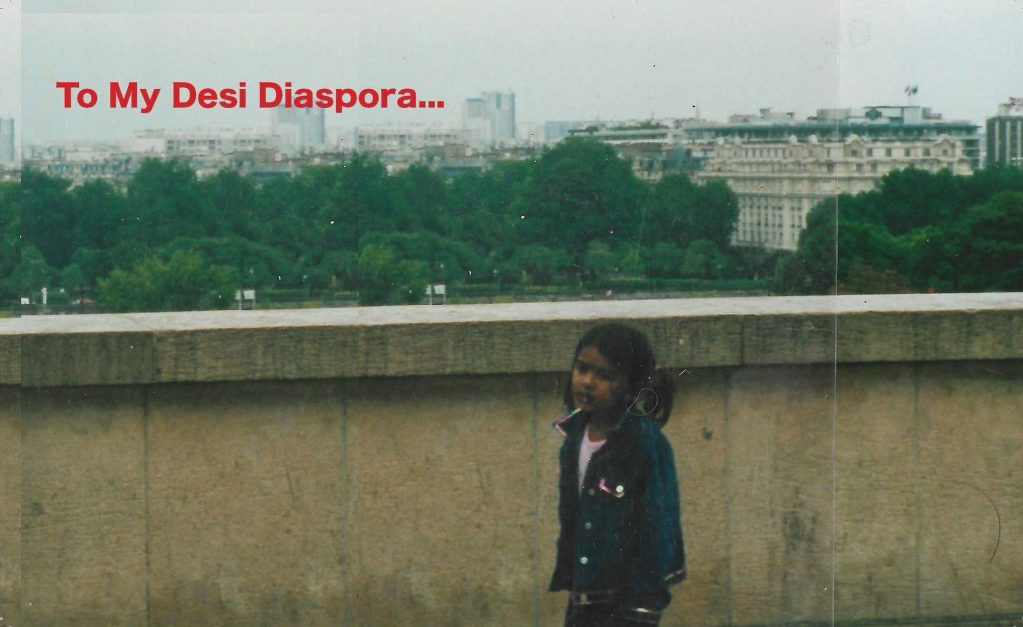
Pravesa: The image that was essential to include in my project must be the opening image of my parents and my sister. This image reflects the zine very well as it portrays my parents on one spread, standing very stationary in front of the Eiffel Tower, and on the other spread is my sister standing with an opposing curious nature. For me, this explains the diaspora without any words, as it shows how many immigrant parents were forced to move to the West for a better life, but are afraid of how the West may outcast them, so they stay among themselves. On the other hand, my sister has a very curious nature and is very free-spirited to explore the West without any fear. That is what the diaspora creates.
Pages from Pardesi
Daniyaal: Take me through the process of curating and selecting the photographs.
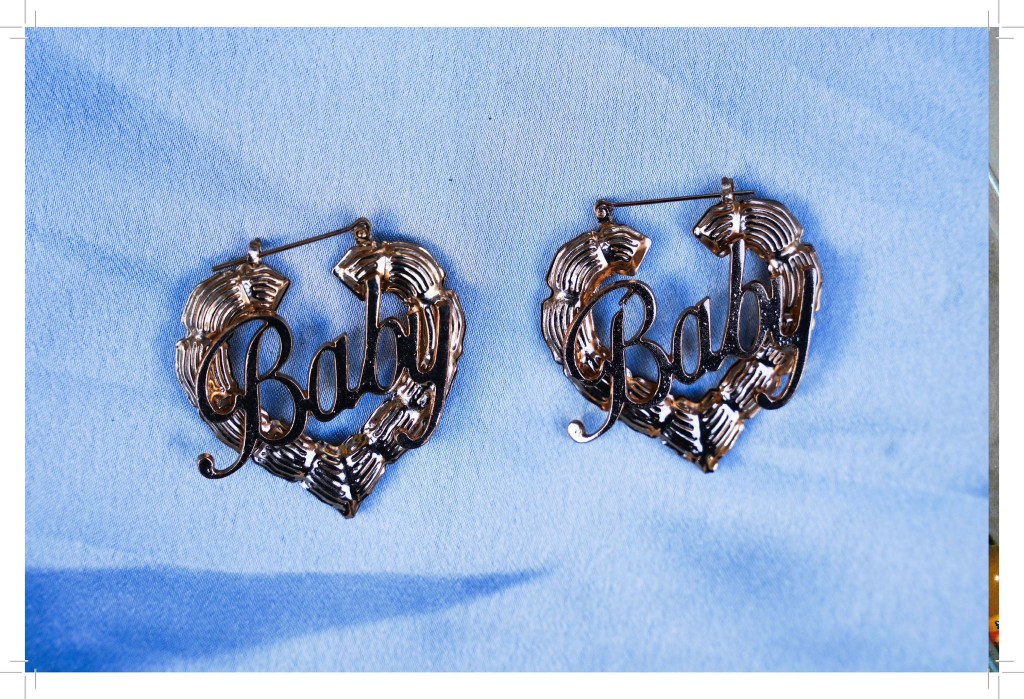
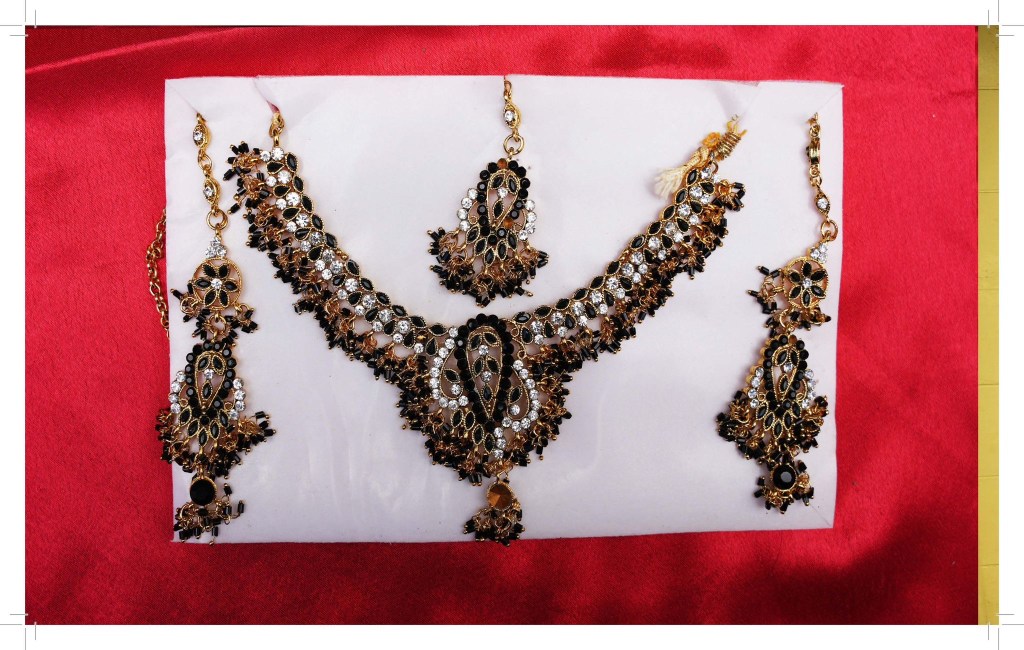
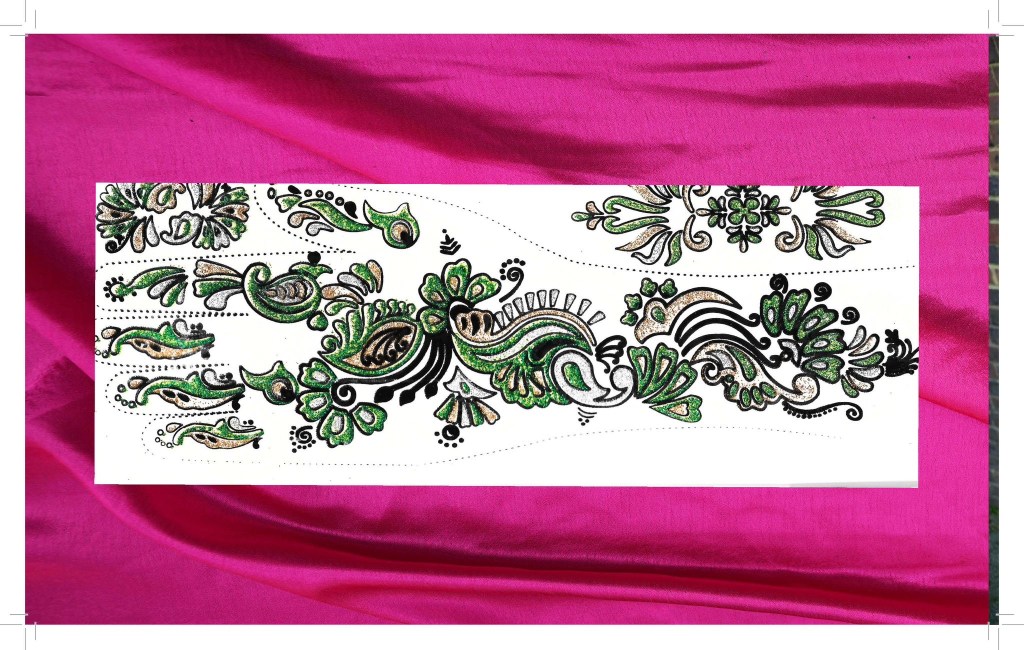
Pravesa: As I wanted to involve both Western and Asian elements, I decided to incorporate my archival 2000s family images alongside my contemporary 2000s staged photographs. I selected these images as they portray the contrast involved in the diaspora well. The archival work shows the collectivism embedded in Asian culture, and the contemporary work displays the individualism in Western culture. They both depict sides of me and how, rather than choosing one side, I wanted to include both. The last aspect I wanted to include was objects relevant to my upbringing in the 2000s in London. I scouted objects which were reminiscent of my childhood, and doing this made me realise that the objects were a combination of both British and Indian, so this helped me tie together all the elements. I specially placed Western objects with archival family images and Asian objects with my contemporary staged photos.
Daniyaal: How did people respond when they first saw Pardesi?
Pravesa: I got a beautiful response from my targeted audience and a lot of creative immigrants from different cultures felt the same, which I did not expect, but it was such a wholesome feeling to see them resonate with similar emotions. This taught me how universal the diaspora is.
Daniyaal: And how have your parents reacted to the project?
Pravesa: My parents had a very pleasant reaction to my work. Being Indian and brought up with traditional values, it was always very hard for me to communicate my photography to them, and they never really understood what I was creating until they saw my book. It made me feel very satisfied when they were able to go through the book and reminisce about the times they first immigrated to London and certain objects which reminded them of home. I felt very proud of myself for finally being able to communicate my work to them without having to break it down.
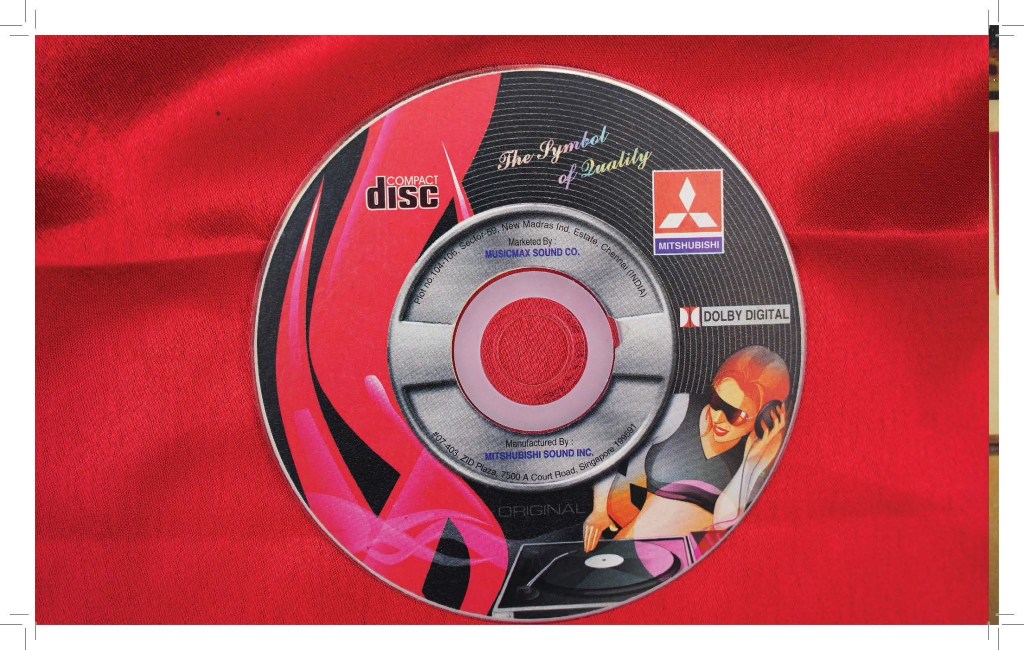
Pages from Pardesi
Daniyaal: If Pardesi had a soundtrack, which songs would be on it?
Pravesa: It’s such a privilege that Pardesi was created from celebrating the diaspora and music is one of the particular joys I like to indulge in from both cultures. The soundtrack: Jind Mahi by Malkit Singh, Jewellery by Blood Orange, No Limitation by Bally Sagoo, Unfinished Sympathy by Massive Attack, Don’t Be Shy by Rogue, Brown Eyes by Kano, Chalte Chalte Yun Hi Koi by Lata, Kangna by Dr Zeus, Natch by Cornershop, Ek Pyar Ka Nagma Hai by Lata, Tumeric by The Twins, Yeh Dosti Hum Nahin by Kishore.

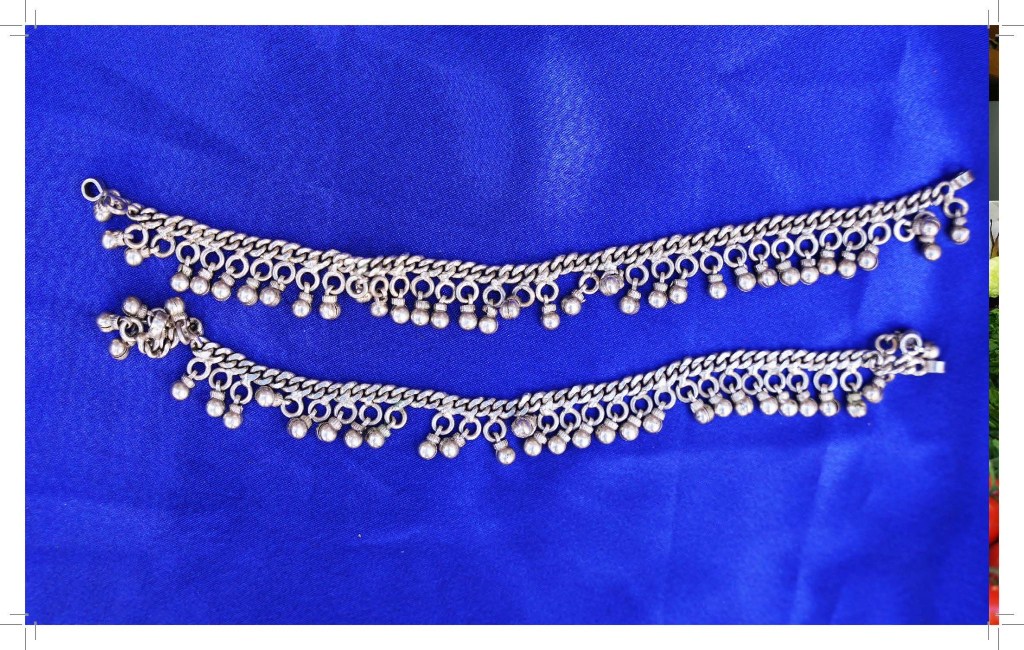
Pages from Pardesi
Daniyaal: After someone finishes Pardesi, which conversations do you hope the zine inspires?
Pravesa: I hope for them to find their own sense of belonging and how they shouldn’t need to fit into a space, but rather people should make space for their different identity, to honour the diaspora. Rather than seeing it as a struggle, people should see it as an advantage to be involved in both cultures and embrace their roots.
Daniyaal: Why do you think so many younger South Asians are drawn to Y2K desi aesthetics today?
Pravesa: It has to be the nostalgia and for me definitely 2000s Bollywood. I think the Bollywood films were so naturally influential to a whole generation, it still lives on and for that reason it has also been passed down to Gen Z.
Daniyaal: Is there a shoot, collaboration, or creative project connected to Pardesi that you’d still love to make happen?
Pravesa: Firstly, I am excited to mention that Pardesi, my zine, will be available to purchase on my page soon if you are interested. I will be continuing to develop Pardesi and intend to create a volume 2, but this time I want to get more of the diaspora community around the world involved and mention more of their stories in my style of work. I would love to get involved with Athen and Nina who also work on British Asian diaspora and showcase my work on Diet Paratha.
Daniyaal: With a Bend It Like Beckham sequel on the horizon, what would you like to see from it?
Pravesa: Rather interesting you ask me this as my dissertation was on Bend It Like Beckham. This movie was such a pivotal moment for us South Asians as it did so well globally while being based around a minority. I would hope for it to have the same effect as well as continue to break cycles and portray South Asian women out of stereotypes, being successful in their career rather than just surviving.
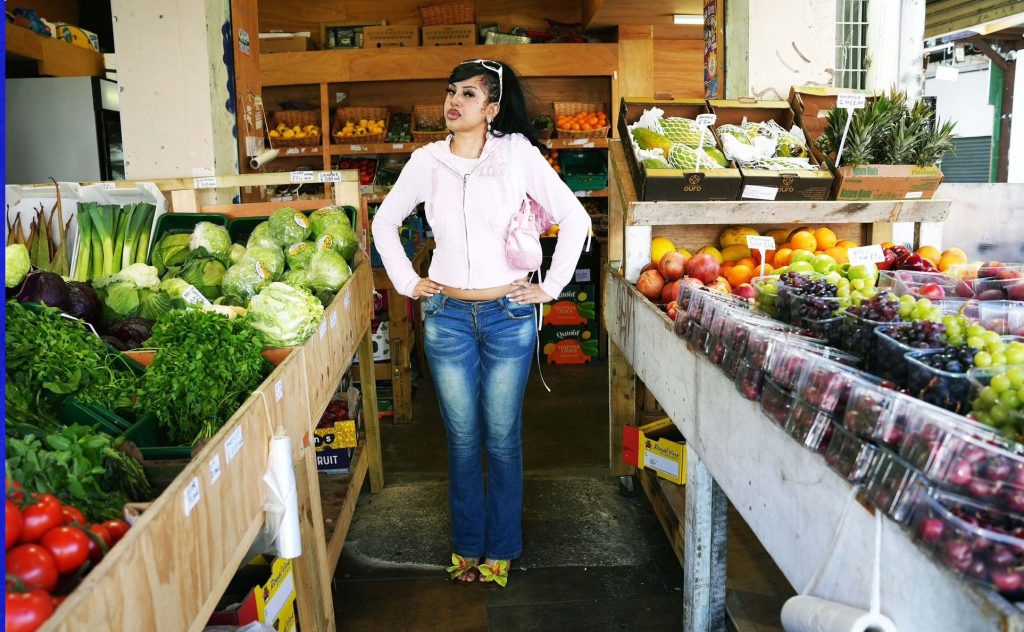
Pages from Pardesi